KAKISTOCRACY (noun) — Government by the worst, least qualified, or most unscrupulous people.
Tag Archive

Strait of Hormuz

22 articles tagged “Strait of Hormuz”.

Trumpared Iran's Military Destroyed. U.S. Intelligence Says Tehran Still Has 2,500 Missiles. — article image
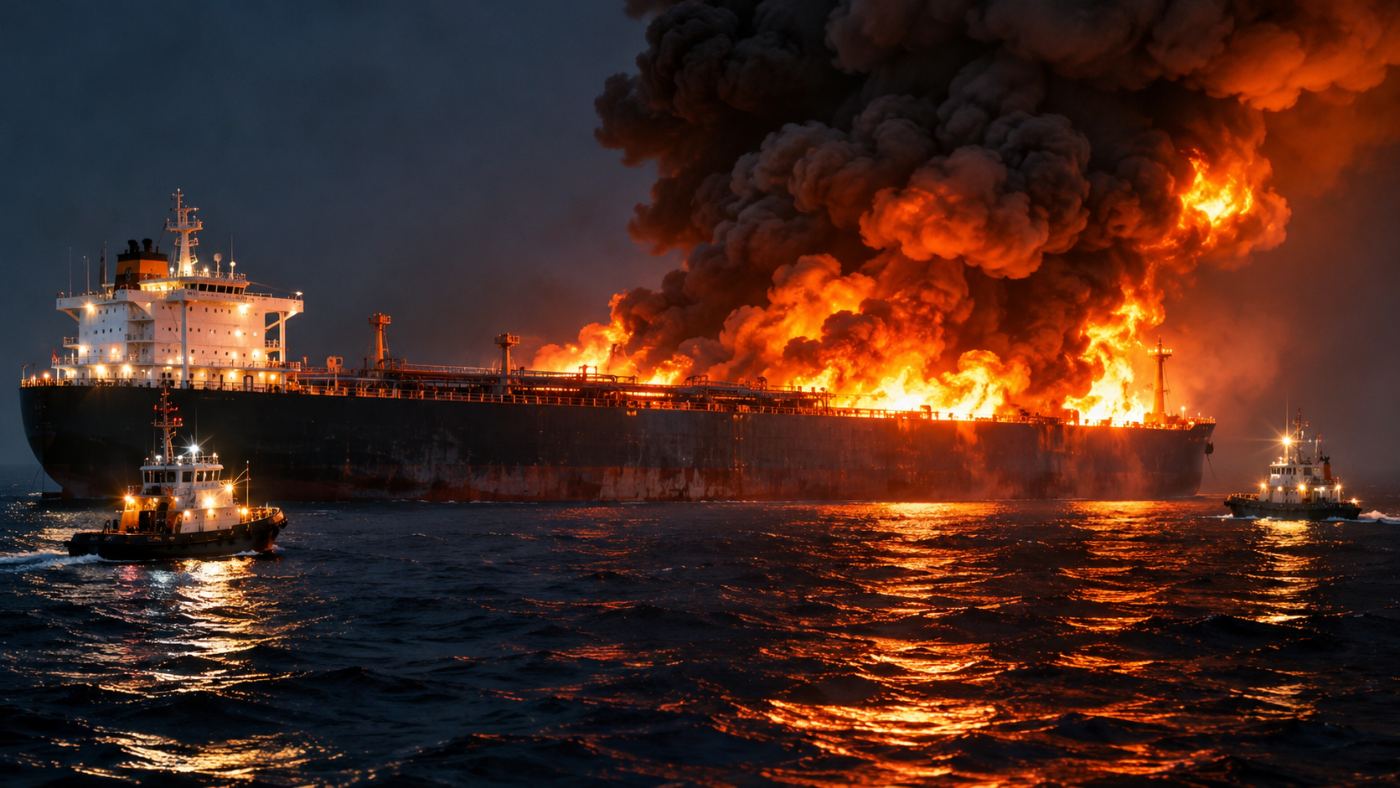
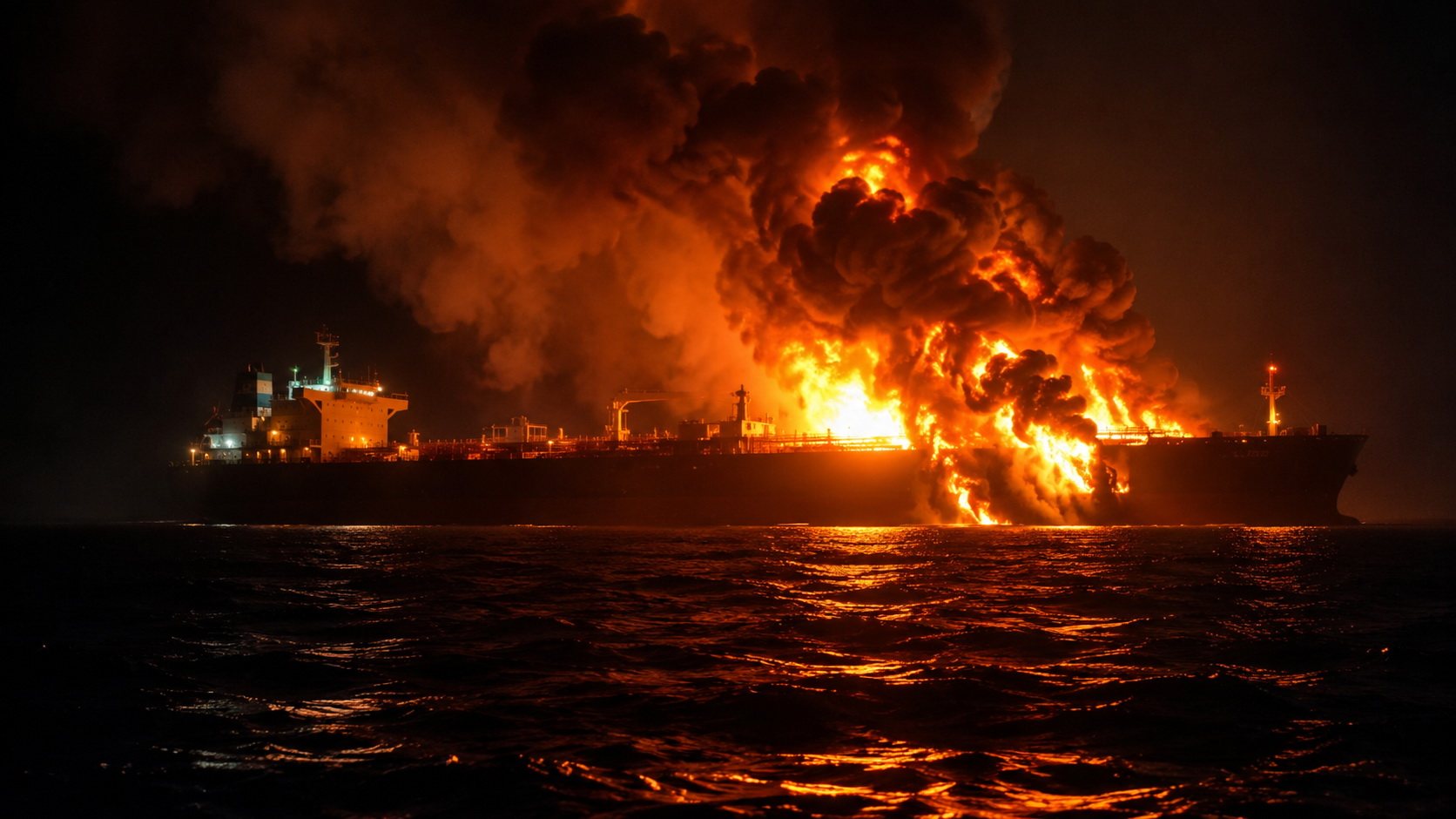
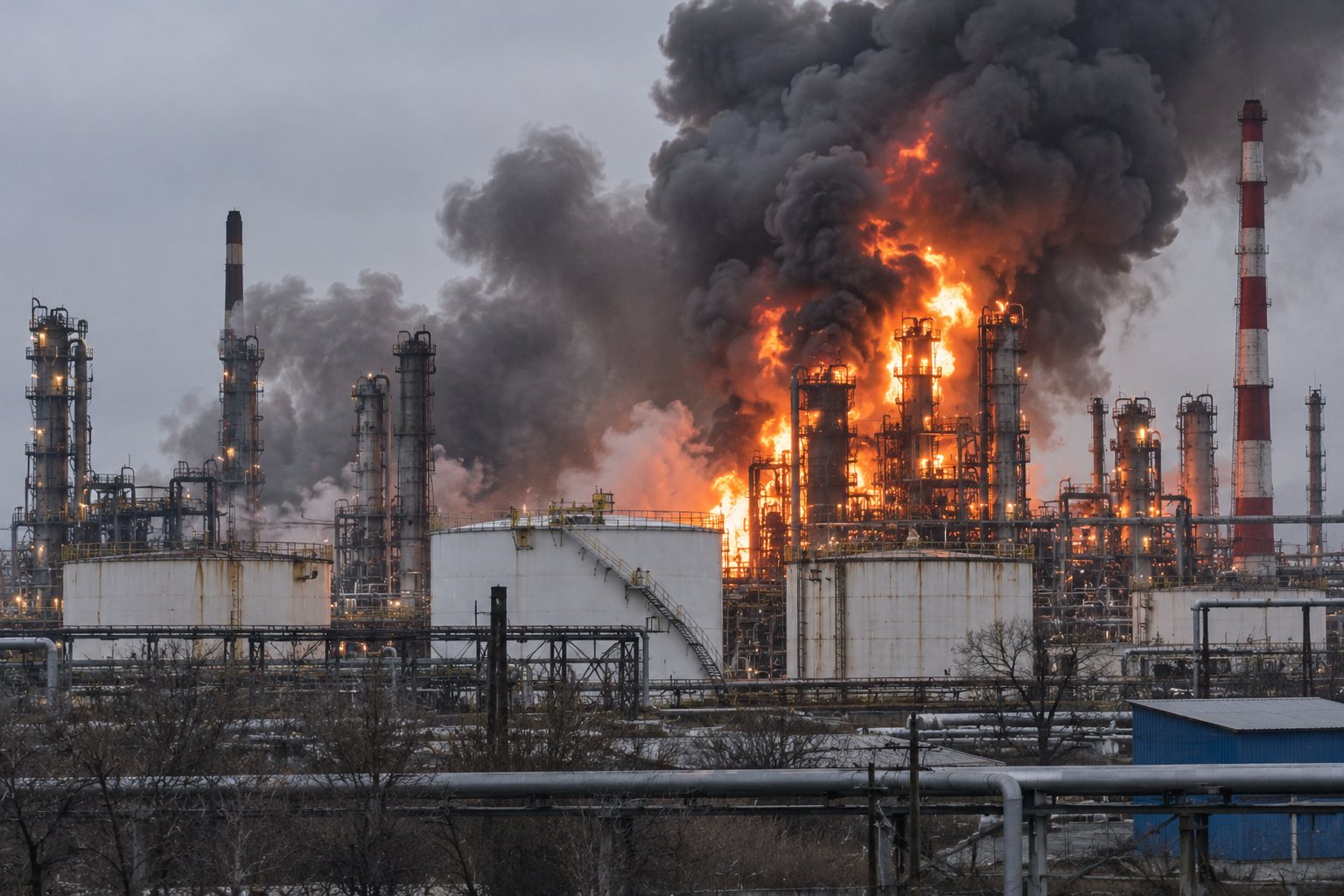
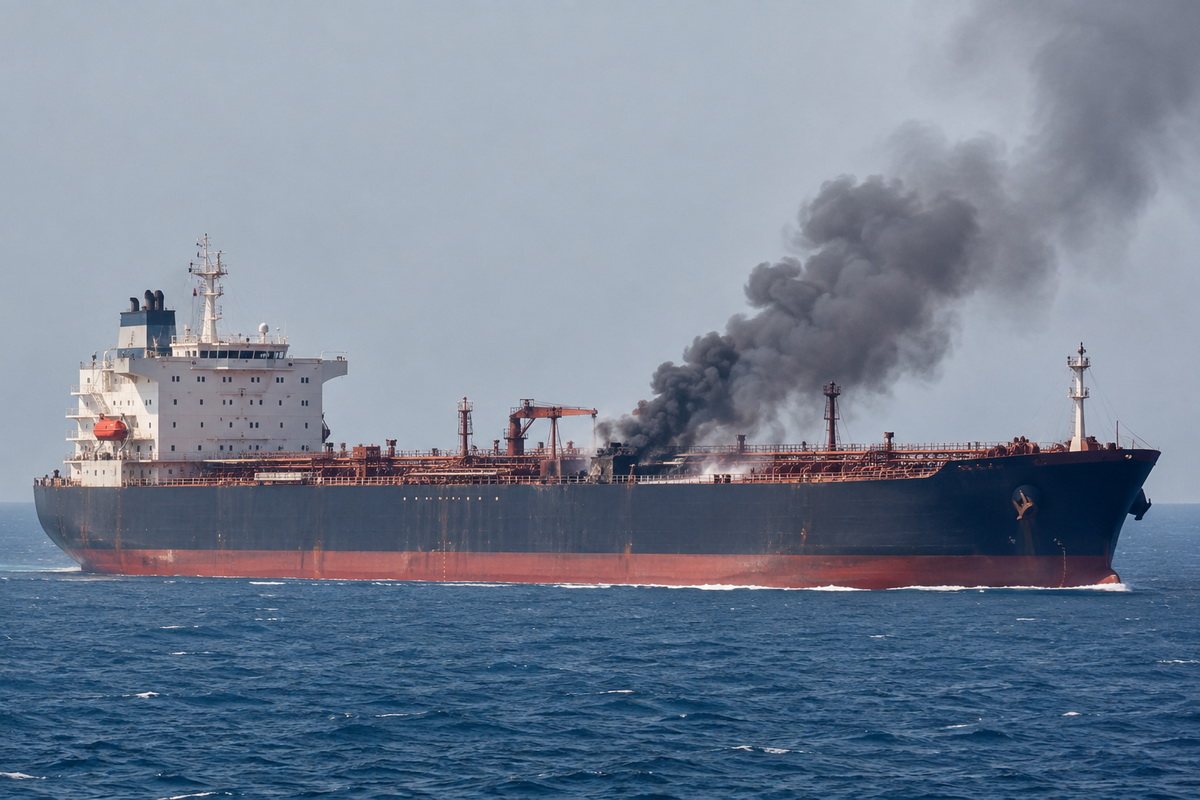
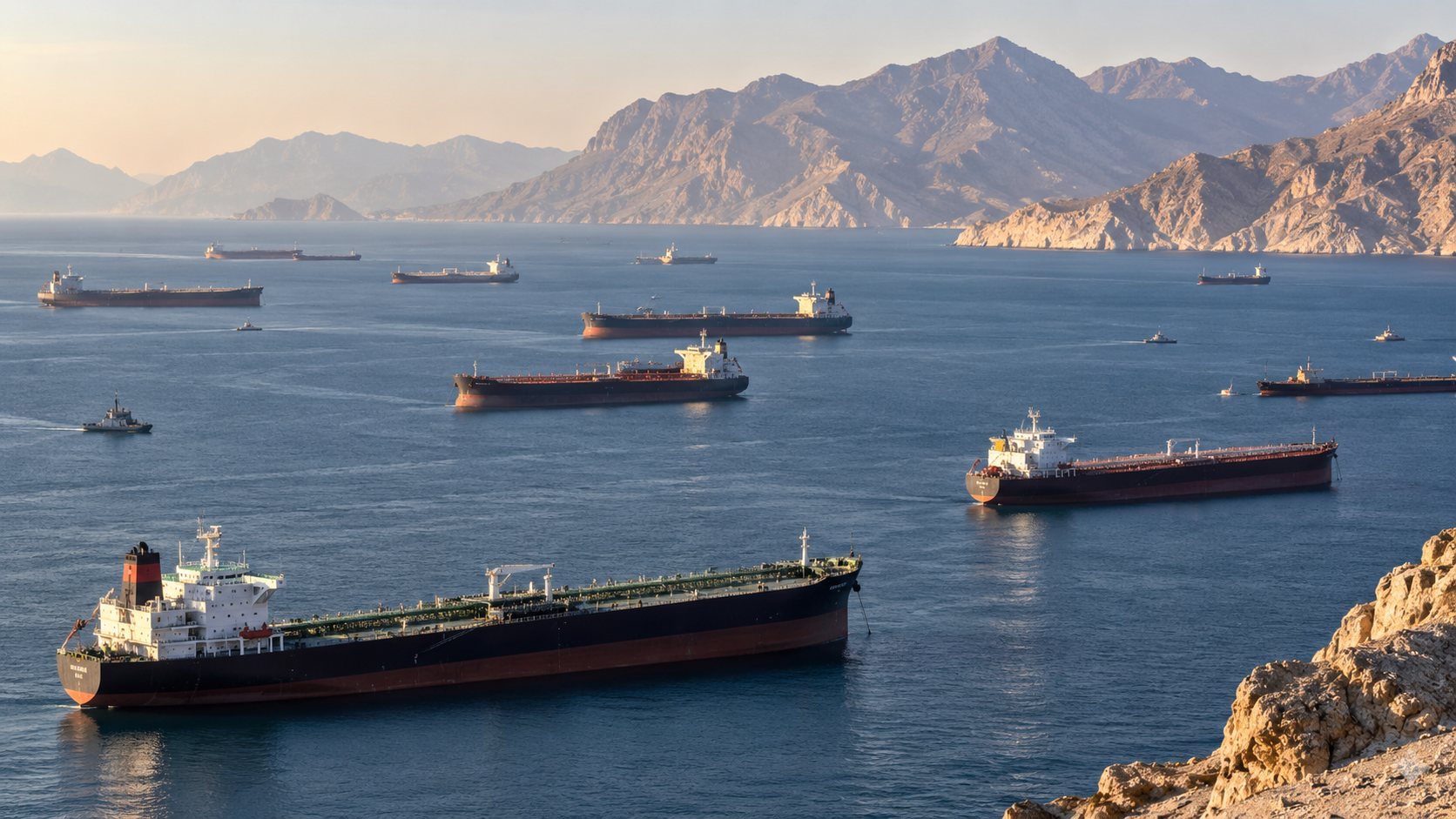
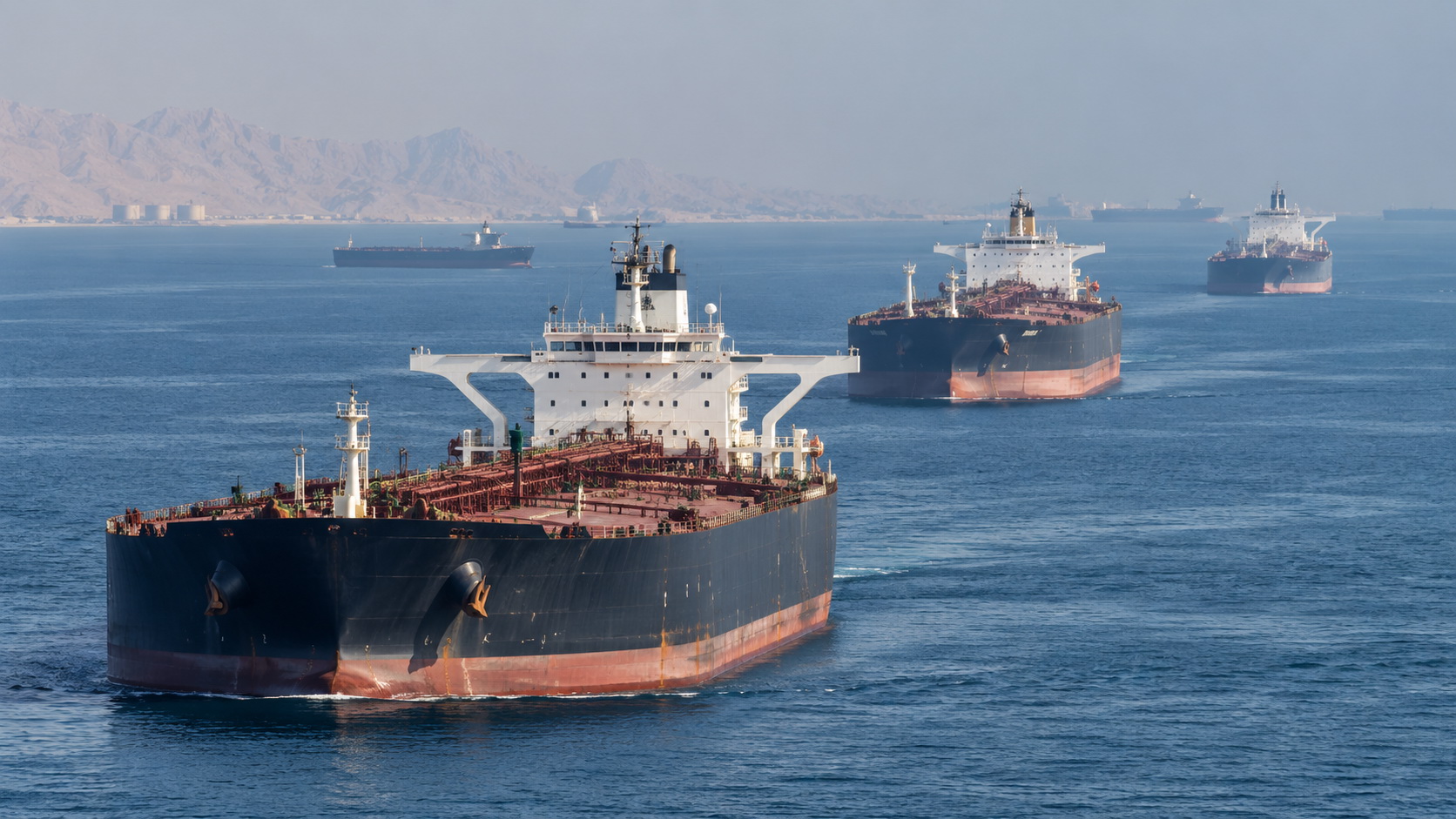
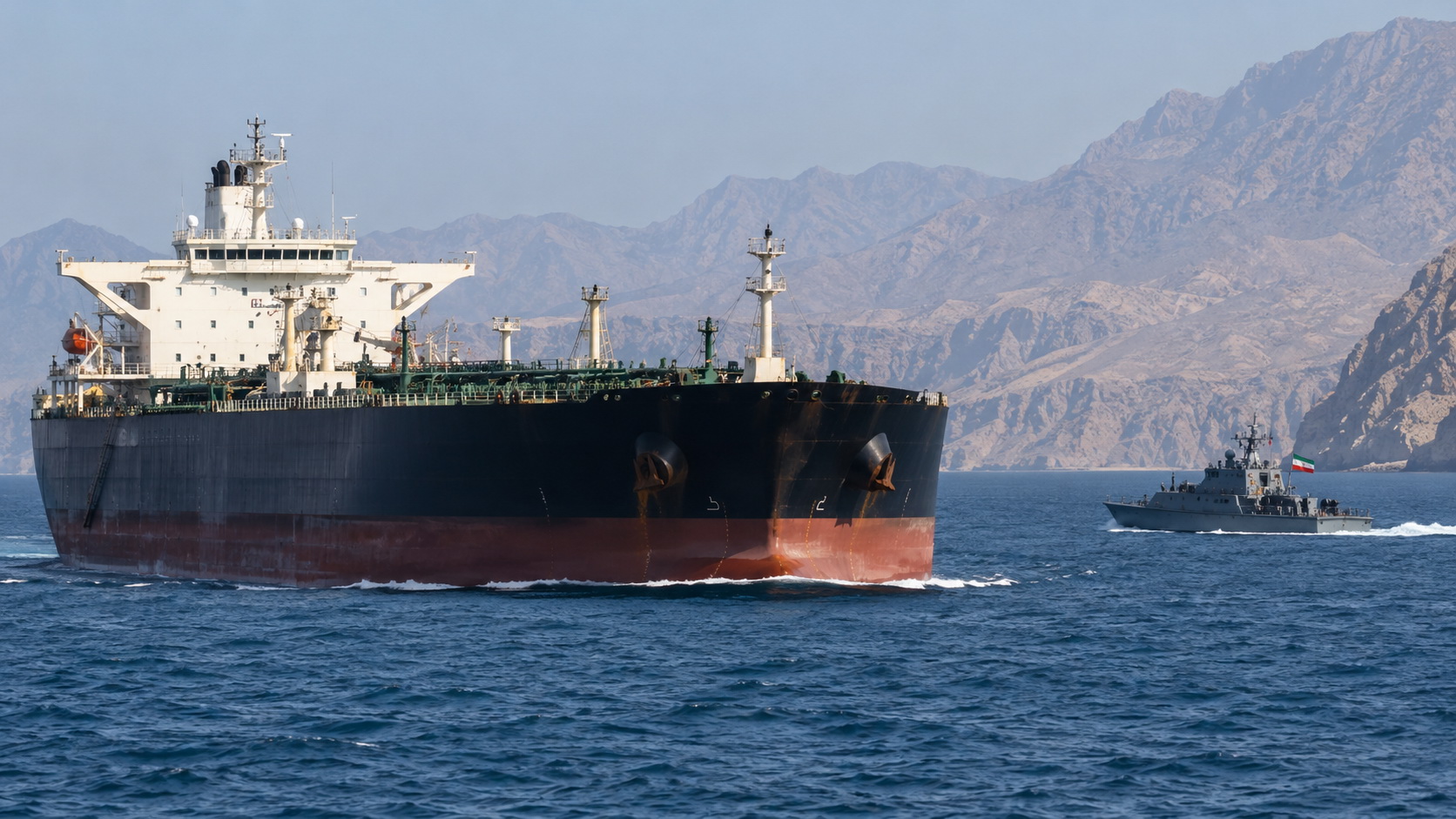
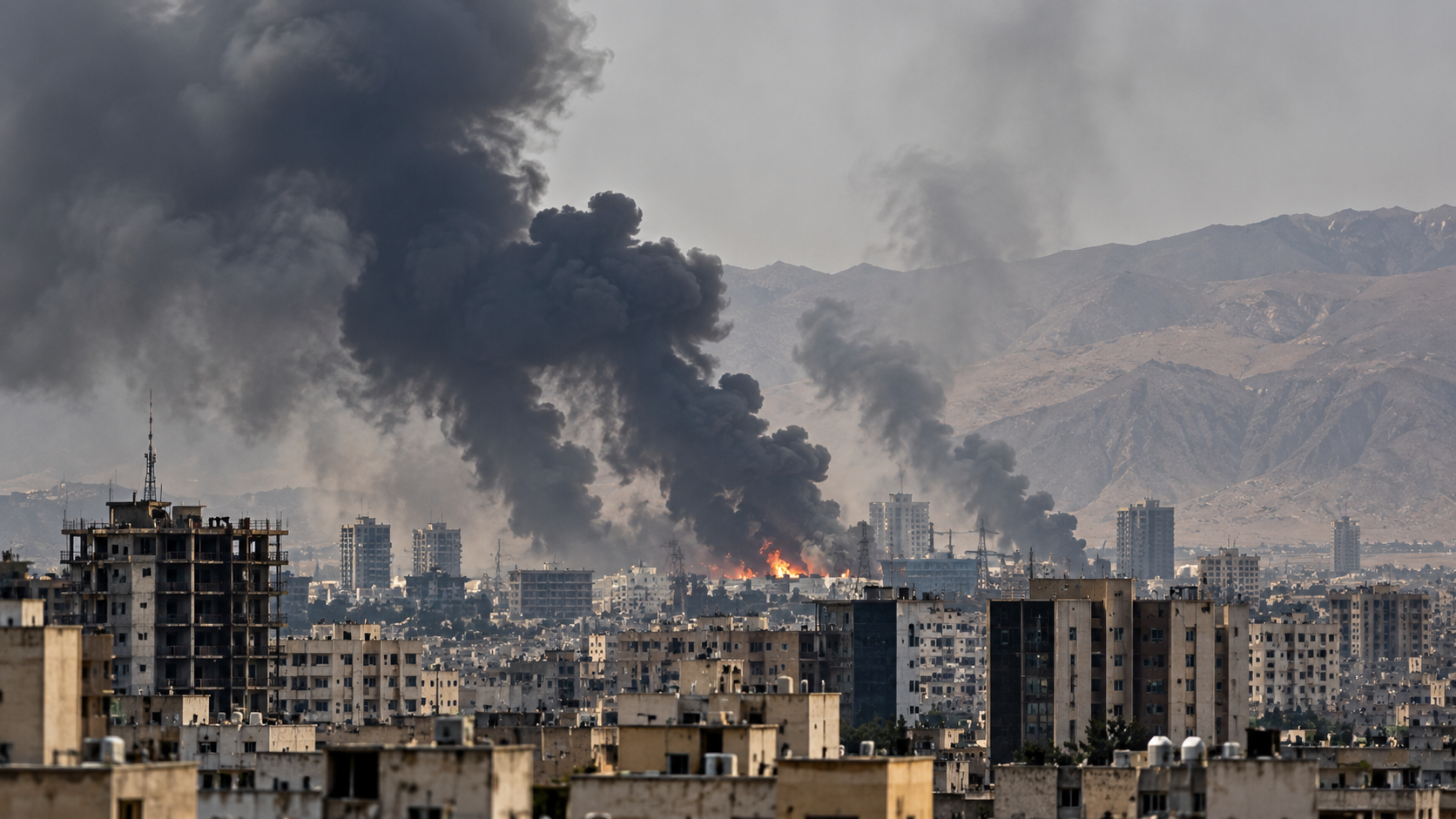
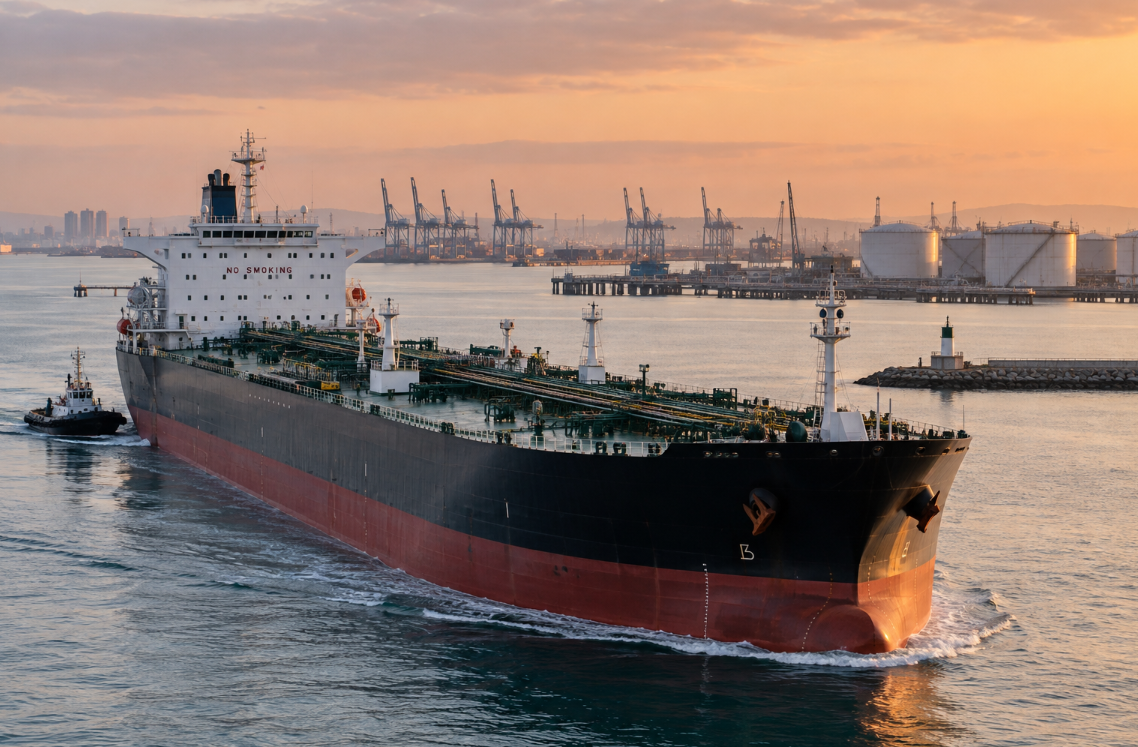
# Trump's Iran War Threatens Global Oil Supplies as Tehran Claims Massive Supertanker Sinking  **November 16, 2026**  President Donald Trump's war against Iran has created another dangerous confrontation in one of the world's most important shipping corridors, with Iranian forces claiming that a supertanker carrying more than two million barrels of crude oil has sunk after striking a naval mine.  The reported incident highlights the continuing economic and military risks of a conflict that began with American and Israeli airstrikes in February.  Although the sinking remains unverified, the latest developments underscore how Iran can threaten international commerce despite extensive damage to its conventional military forces.  ## A Massive Tanker Reportedly Sinks  On November 15, Iran's Islamic Revolutionary Guard Corps announced that two oil tankers traveling through the southern Strait of Hormuz had struck naval mines.  Iranian officials claimed both vessels caught fire and that one, a supertanker carrying more than two million barrels of crude oil, subsequently sank.  Neither vessel was identified, and independent maritime authorities have not confirmed the reported sinking.  British maritime monitors acknowledged receiving a separate report of an attack against a tanker in the Gulf, but could not establish whether the incidents were connected.  The extent of any environmental damage also remains unknown.  ## Trump's War and the Strait of Hormuz  The United States and Israel launched military operations against Iran on February 28, 2026.  Since then, the Strait of Hormuz has become a major flashpoint.  Approximately one-fifth of the world's oil normally passes through the narrow waterway connecting the Persian Gulf to international markets.  Iran has imposed severe restrictions on shipping, demanding that vessels follow routes authorized by Tehran.  The United States has responded with a naval blockade of Iranian ports while helping commercial vessels navigate the strait.  American military officials recently reported clearing naval mines from major shipping routes.  However, the continuing reports of attacks demonstrate the difficulties of maintaining maritime security during an active conflict.  ## The Economic Danger  The consequences of prolonged instability extend far beyond the Middle East.  Oil tankers carry enormous quantities of crude destined for refineries and consumers around the world.  When shipping routes become dangerous, insurance costs can increase, vessels may require military escorts, and companies may delay shipments.  Those disruptions can place upward pressure on global oil prices.  For American consumers, sustained increases in crude oil prices can eventually translate into higher gasoline, diesel, transportation, and manufacturing costs.  The precise economic impact depends on how long disruptions continue and whether alternative supplies can compensate.  ## Military Superiority Has Its Limits  American forces possess overwhelming advantages over Iran's conventional military.  But protecting commercial shipping against mines, drones, missiles, and other asymmetric threats presents a different challenge.  Iran does not need to defeat the United States Navy to disrupt international commerce.  Even the possibility of attacks can force shipping companies to reconsider whether vessels should enter contested waters.  U.S. Central Command reported last month that American assistance had helped Gulf nations export approximately 1.5 billion barrels of oil through Hormuz since the summer.  That achievement demonstrates the continuing importance of American maritime operations, but also the resources required to keep the route functioning.  ## The Cost of an Unfinished Conflict  Trump's administration faces the challenge of protecting international shipping while preventing additional military escalation.  Iran remains capable of threatening maritime commerce, and the economic consequences of prolonged instability could extend well beyond the region.  The reported supertanker sinking requires independent verification before its full significance can be established.  Nevertheless, the broader danger is already apparent.  **The question facing the Trump administration is not simply whether American forces can strike Iran, but whether the United States can secure the shipping routes and economic stability threatened by the continuing war.** — article image
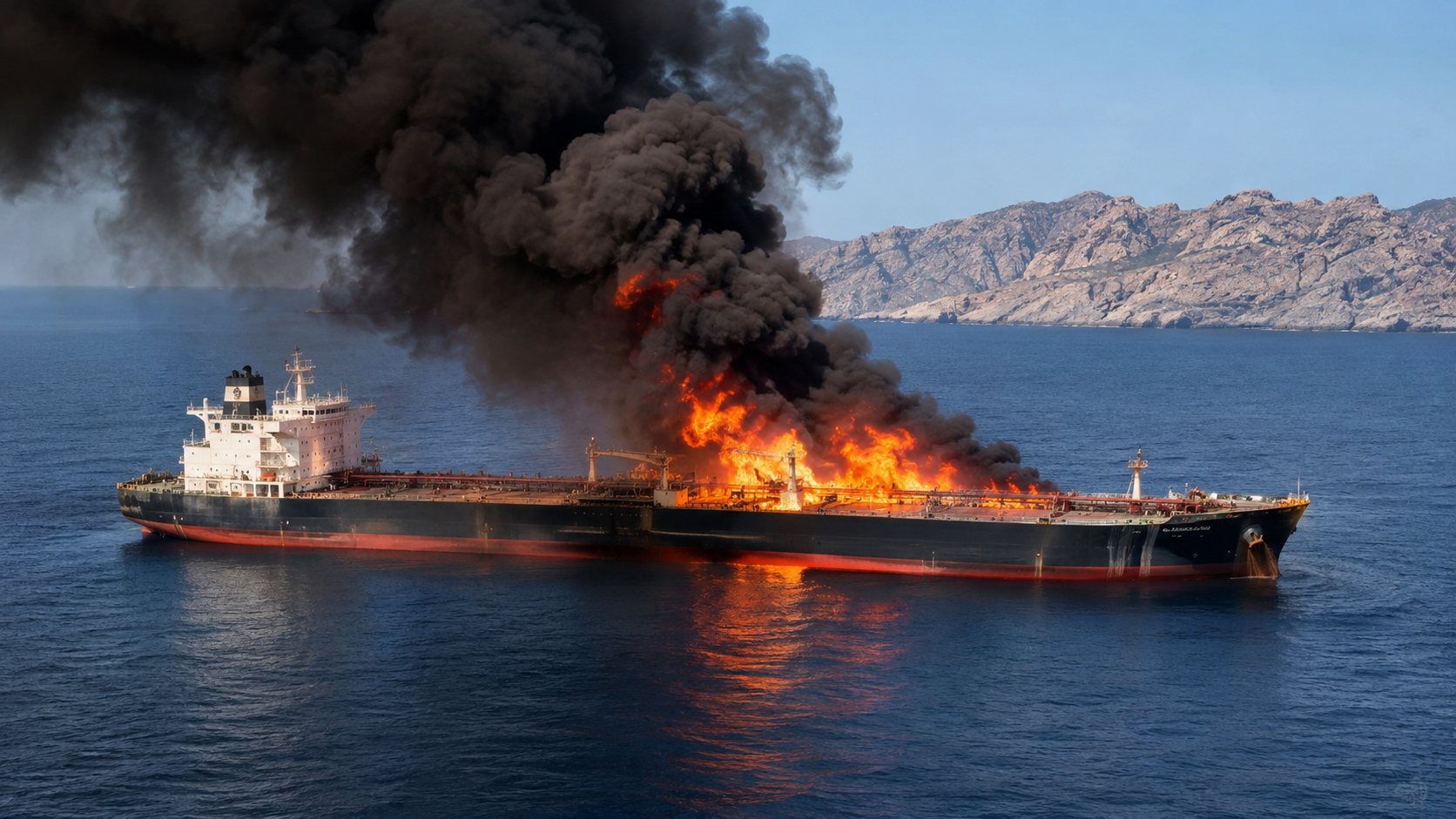
Three Oil Tankers Reportedly Explode in Strait of Hormuz as Trump's Iran War Threatens Global Oil Supplies — article image
Trump's Economic Golden Age? Millions of Americans Are Struggling to Pay Their Bills — article image
War, Chaos and Rising Prices: Trump's Middle East Crisis Becomes America's New Normal — article image
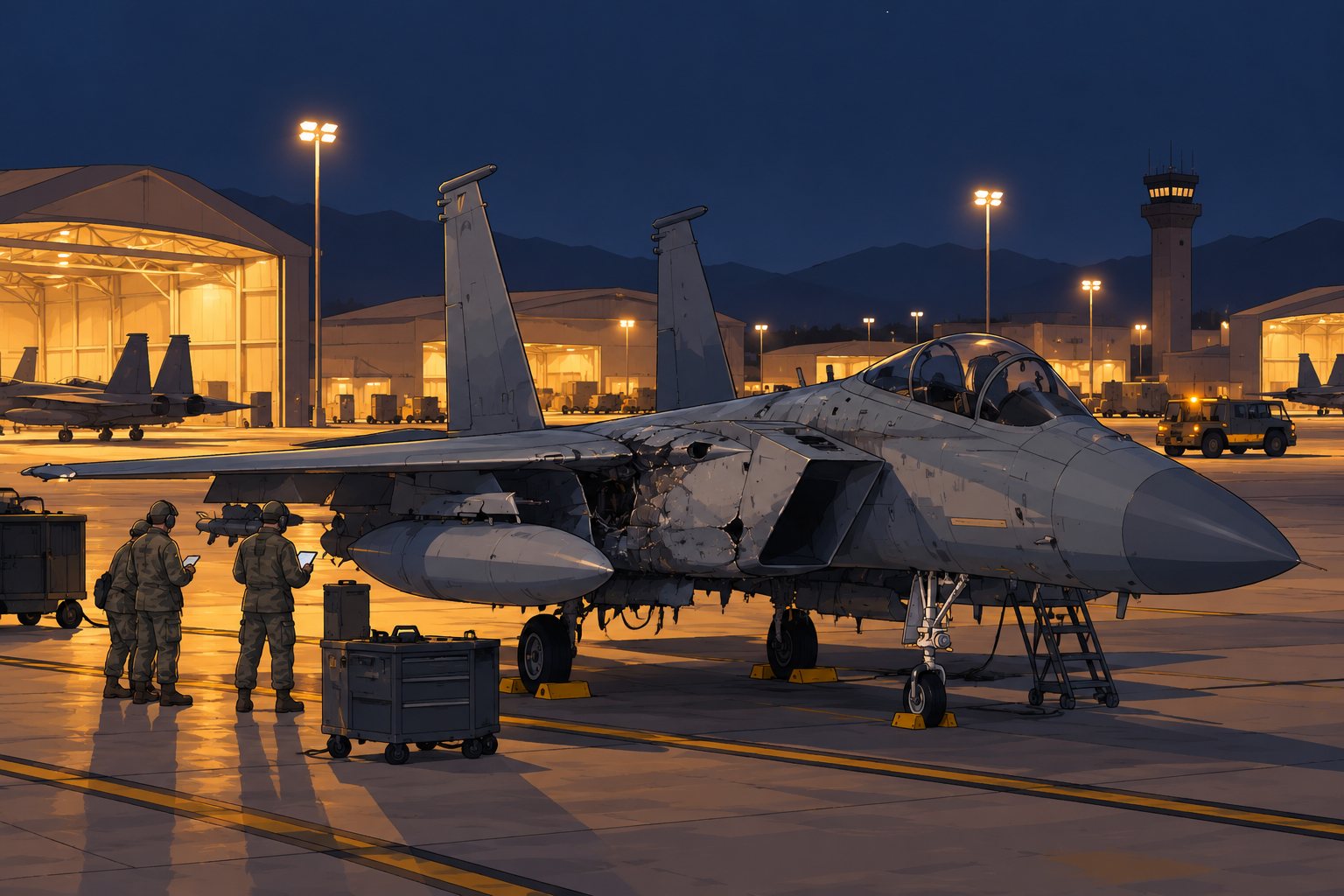
81 U.S. Military Aircraft Lost or Damaged as Trump's Iran War Inflicts Billions in Damage — article image
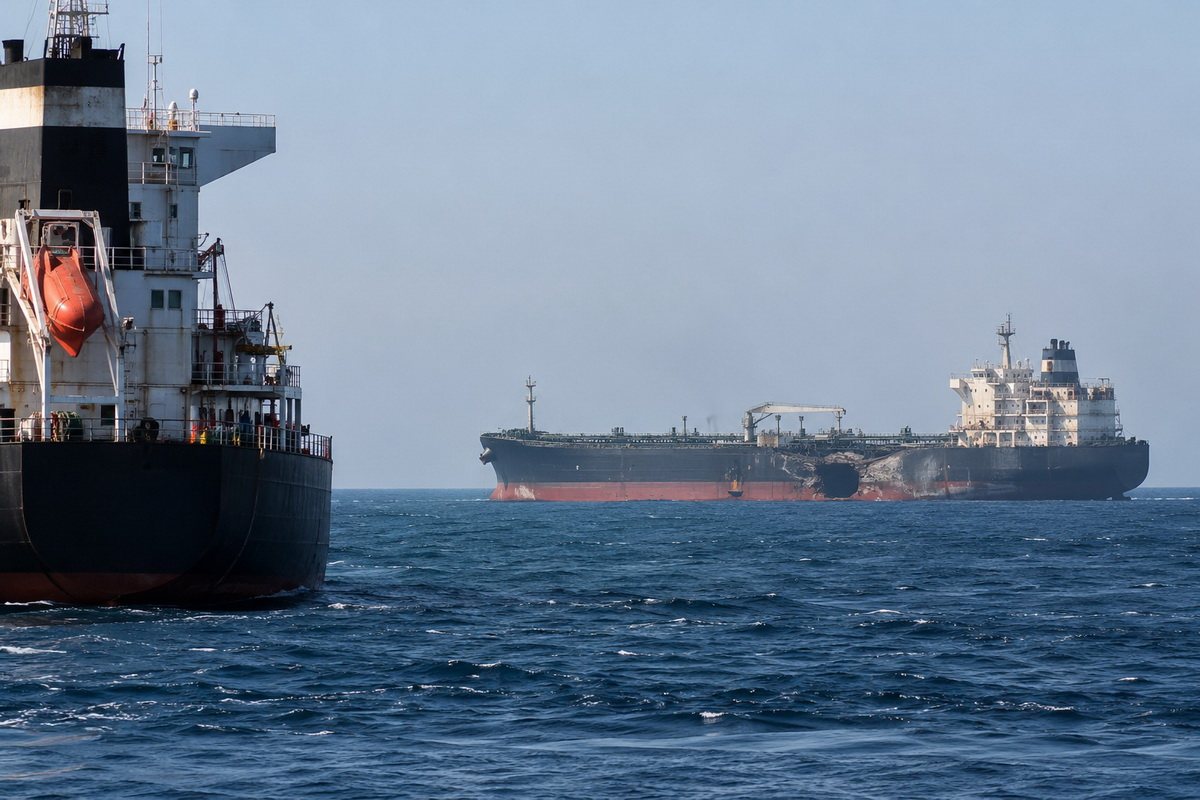
# Trump Started a War He Cannot Easily End as Iran Strikes Six Ships in Strait of Hormuz  *Seven months into the Iran war, attacks on commercial shipping expose the growing distance between Trump's promises of victory and the reality of a conflict with no clear exit.*  **October 13, 2026**  President Donald Trump helped launch a war against Iran that his administration has yet to find a way to end. Now, seven months into the conflict, a new wave of attacks on commercial shipping in the Strait of Hormuz is exposing the consequences of a military campaign that has failed to deliver lasting security to one of the world's most important oil routes.  According to reporting by The Telegraph, six commercial vessels were struck in a single day in and around the Strait of Hormuz, including oil tankers carrying petroleum through the strategically vital waterway.  The attacks underscore a fundamental problem confronting the White House: American military superiority has not translated into control of the conflict or a clear path toward peace.  ## A War Without a Clear Exit  When the United States and Israel launched their military campaign against Iran in February, the Trump administration presented military force as a means of neutralizing Iranian threats and restoring regional security.  But seven months later, Iran continues to demonstrate its ability to disrupt international commerce, threaten commercial shipping and impose economic consequences far beyond the Middle East.  The United States can destroy military installations, launch airstrikes and deploy naval forces. None of those capabilities guarantees that Iran will stop attacking shipping or agree to Washington's terms for ending the war.  That leaves Trump confronting a difficult choice: continue military operations without a guaranteed resolution, pursue a diplomatic agreement that may require concessions, or reduce American involvement while the region remains unstable.  None offers the straightforward victory the administration has repeatedly suggested is possible.  ## Iran Doesn't Have to Win the War to Make America Pay  Iran does not need to defeat the United States military to impose substantial costs.  The Strait of Hormuz carries roughly one-fifth of the world's oil supplies under normal conditions. Even limited attacks can force shipping companies to reconsider routes, raise insurance premiums and increase the cost of transporting petroleum.  The latest strikes demonstrate how a militarily weaker country can exploit a narrow geographic chokepoint to create consequences for the global economy.  Iran's strategy has exposed a central limitation of the American campaign: destroying military targets is not the same as securing a commercial shipping corridor.  ## Americans Face the Economic Consequences  The conflict is not confined to the Persian Gulf.  Oil prices, shipping insurance, transportation costs and global energy markets are all vulnerable to continued instability in the strait.  Higher petroleum costs can eventually affect gasoline, diesel, freight transportation and consumer goods in the United States.  For American households, that means a distant military conflict can translate into higher everyday expenses.  The administration's assurances that shipping conditions are improving must now be weighed against the continuing attacks and the uncertainty confronting commercial operators.  ## Trump's Biggest Problem May Be Ending What He Started  Starting a military campaign is a decision a president can make relatively quickly. Ending one requires political agreements, security guarantees and the cooperation—or defeat—of an adversary.  The Trump administration has yet to demonstrate how those conditions will be achieved.  Continuing attacks on shipping make declarations of victory difficult to reconcile with conditions on the water. At the same time, further military escalation carries the risk of prolonging the very instability Washington says it wants to eliminate.  Trump is now confronting the consequences of entering a conflict without an evident, achievable exit strategy.  The latest attacks on six commercial vessels are more than another development in a distant war. They are evidence that Iran retains the ability to inflict serious disruption despite months of American military operations.  The question facing Washington is no longer whether the United States possesses enough firepower to strike Iran.  It is whether Trump can turn that military power into a durable peace.  **Trump helped start this war. Seven months later, he has still not shown the American public how he intends to get out of it.** — article image
Trump Cuts Oil Deal With Putin While Pressuring Ukraine to Stop Attacking Russian Refineries — article image
Ships Are Still Being Attacked in the Strait of Hormuz. This Is Far From Normal. — article image
Iran Refuses to Reopen Strait of Hormuz as Middle East War Spreads — article image
The Hormuz Oil Workaround Is Starting to Jam — and Tankers Are Now Heading to India — article image
Seven Months Into the Iran War, the Strait of Hormuz Is Sending an Ominous Message — article image
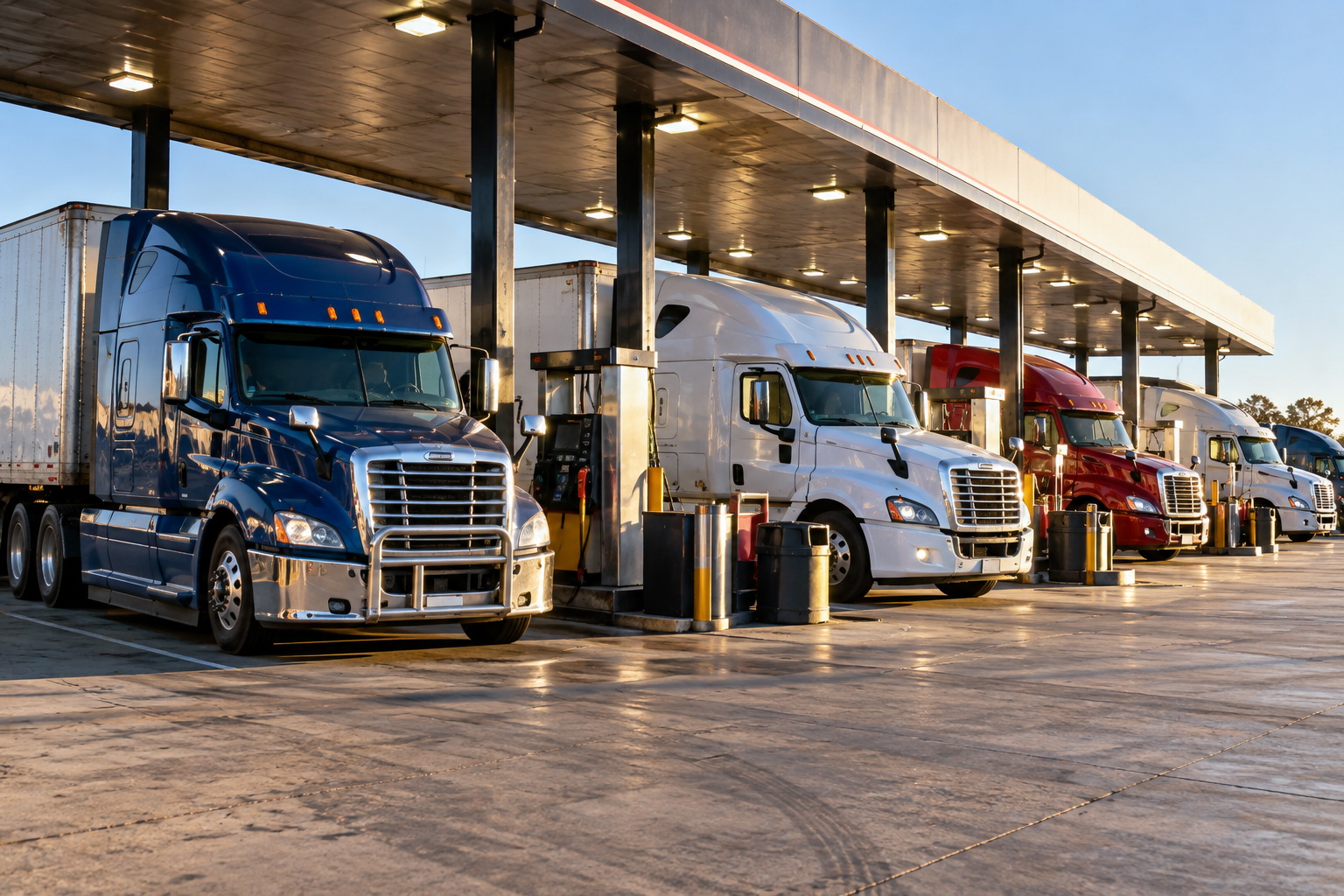
Trump’s Iran War Is Fueling a Diesel Crisis — And Americans May Pay for It Everywhere — article image
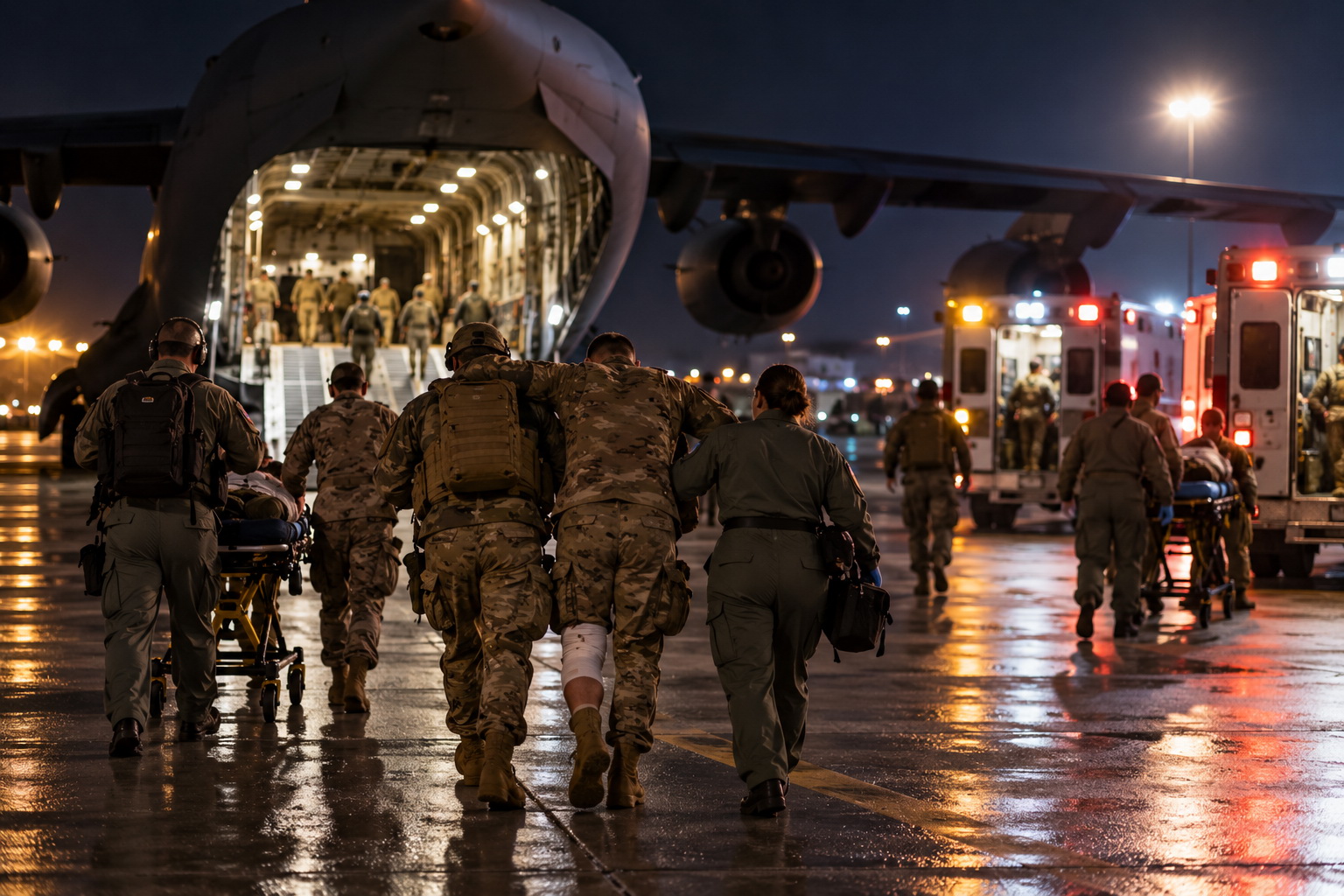
Pentagon Quietly Raises Iran War Wounded Count to 861 — With No Explanation for 37 New Cases — article image
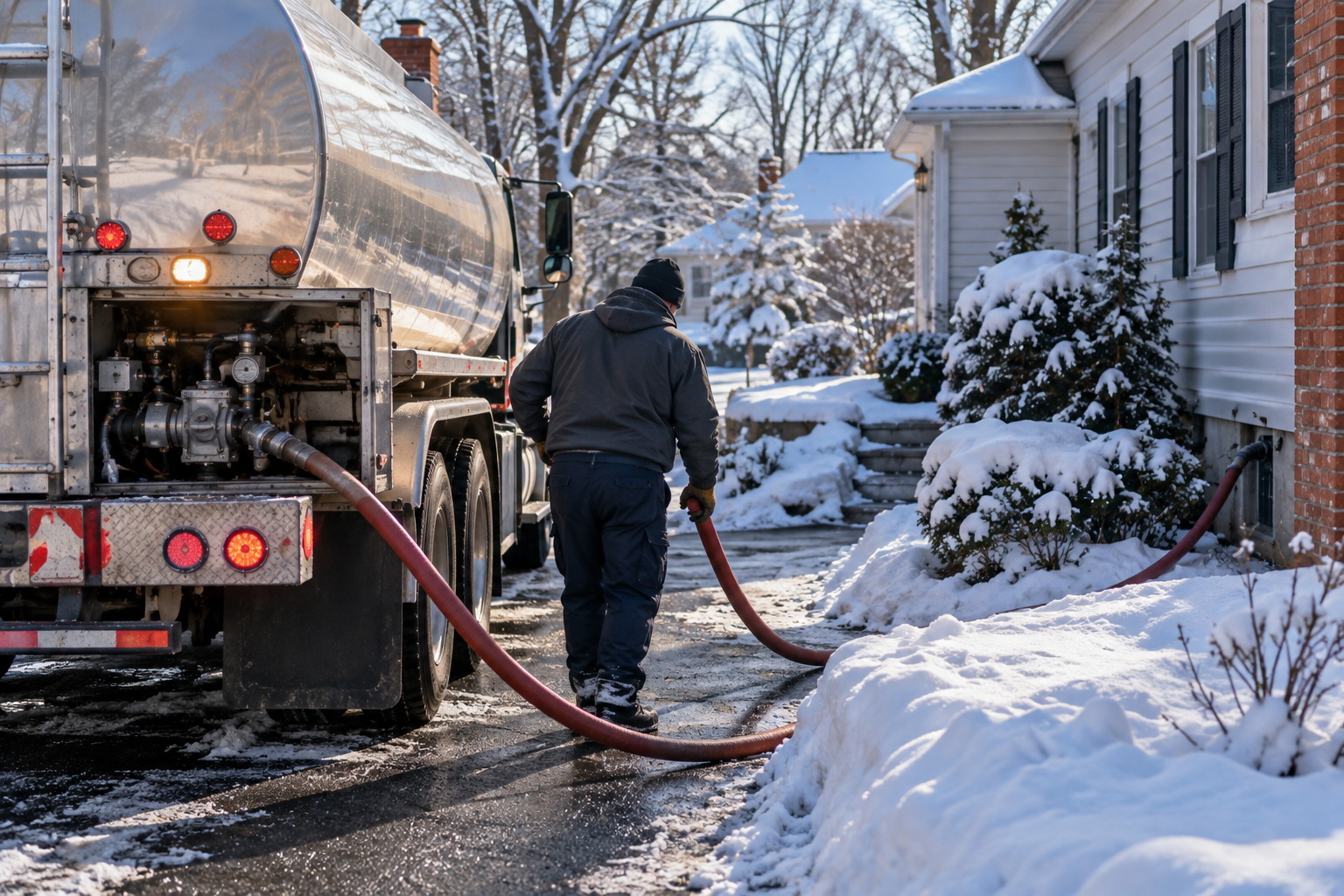
Winter Is Coming — And Trump’s Oil Crisis Is About to Get Much Harder to Hide — article image
Trump Rejects Iran’s Seven-Day Proposal After Leading U.S. Into War — article image
Republican Ashley Hinson Suddenly Wants the Iran War to End — After Repeatedly Voting Against Efforts to End U.S. Involvement — article image
JD Vance Blames Iran as Gas Prices Explode — and Americans Aren’t Buying the Excuse — article image
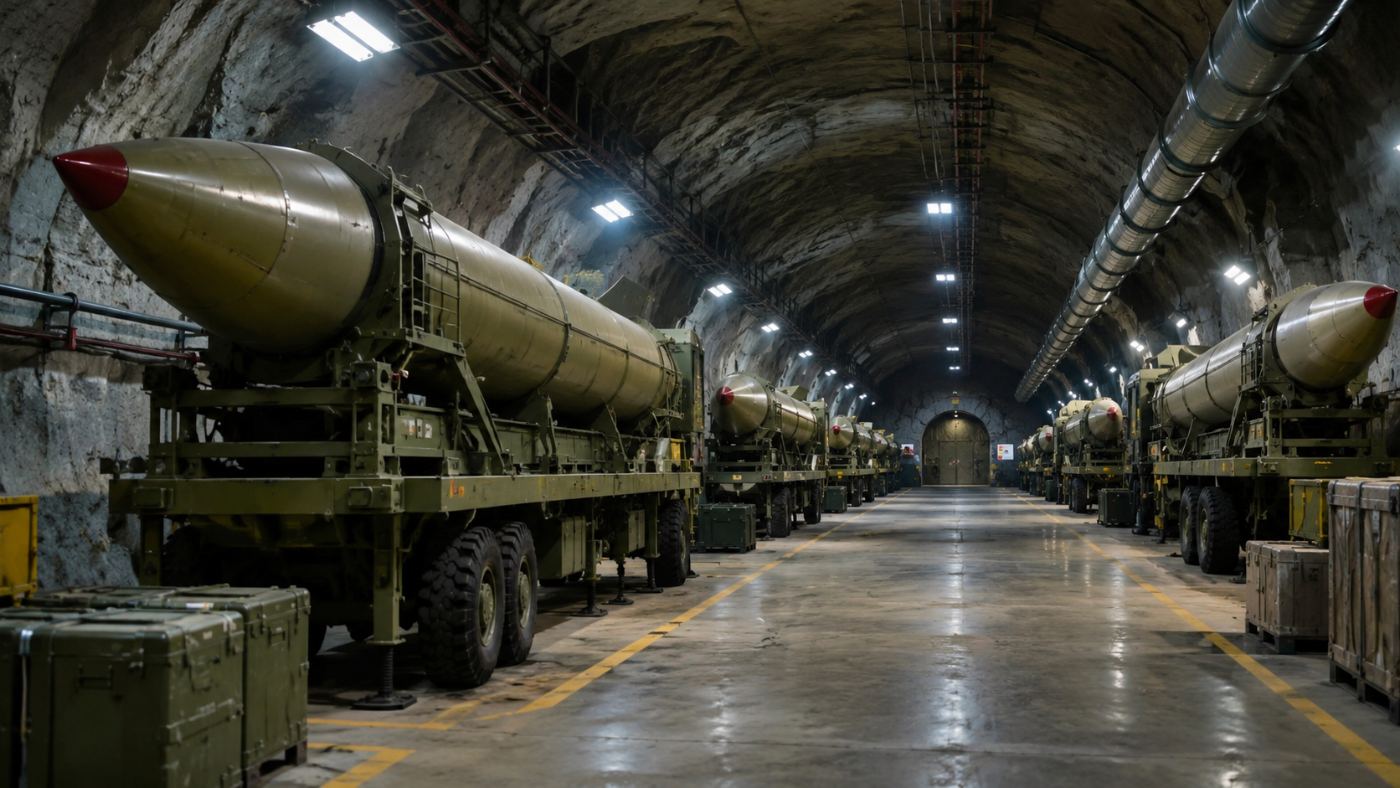
White House Stalls as Houthis Advance — and Washington Has No Clear Path Forward — article image
Oil Has Surged More Than 50% in a Year as Iran War Disrupts Global Energy Markets — article image
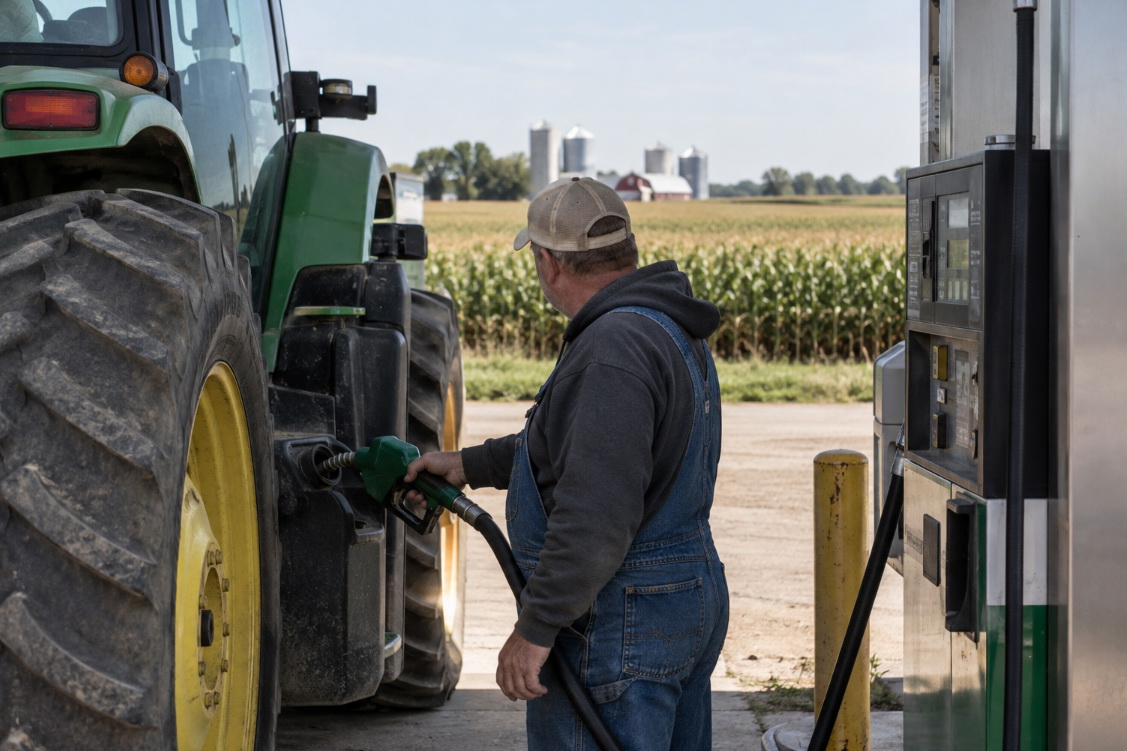
America's Farmers Are Getting Crushed by Record Diesel Prices — article image
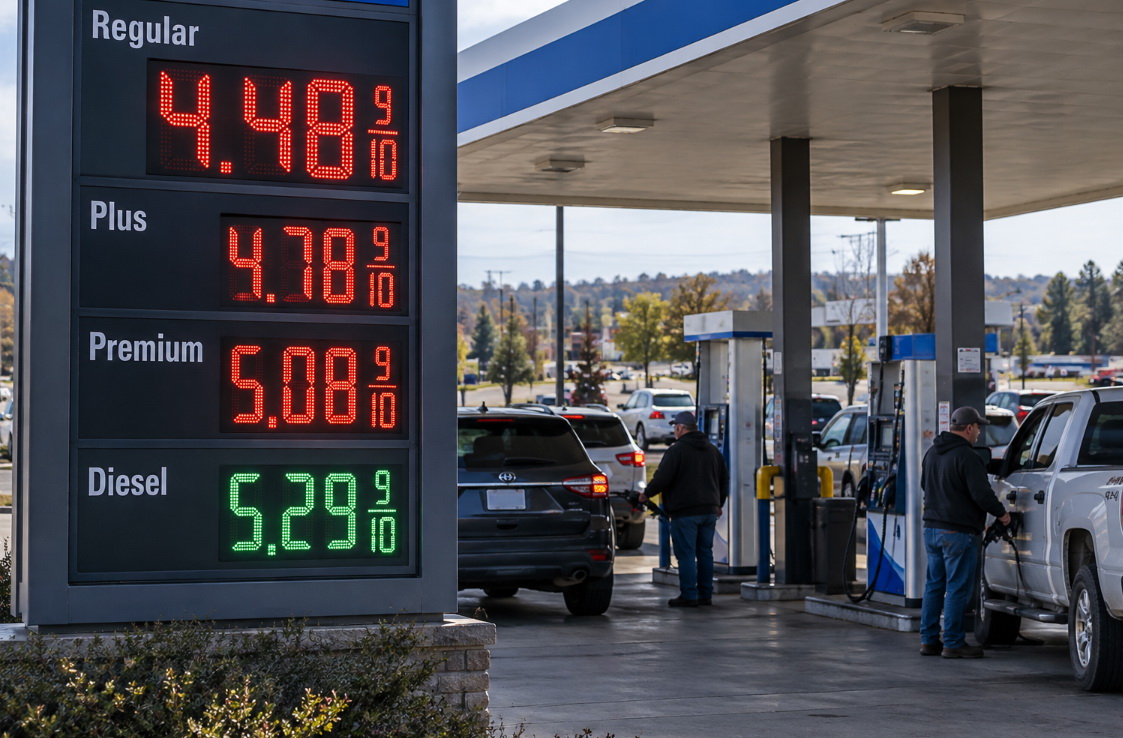
Americans Are Paying at the Pump as the Iran War Drives Fuel Prices Higher — article image