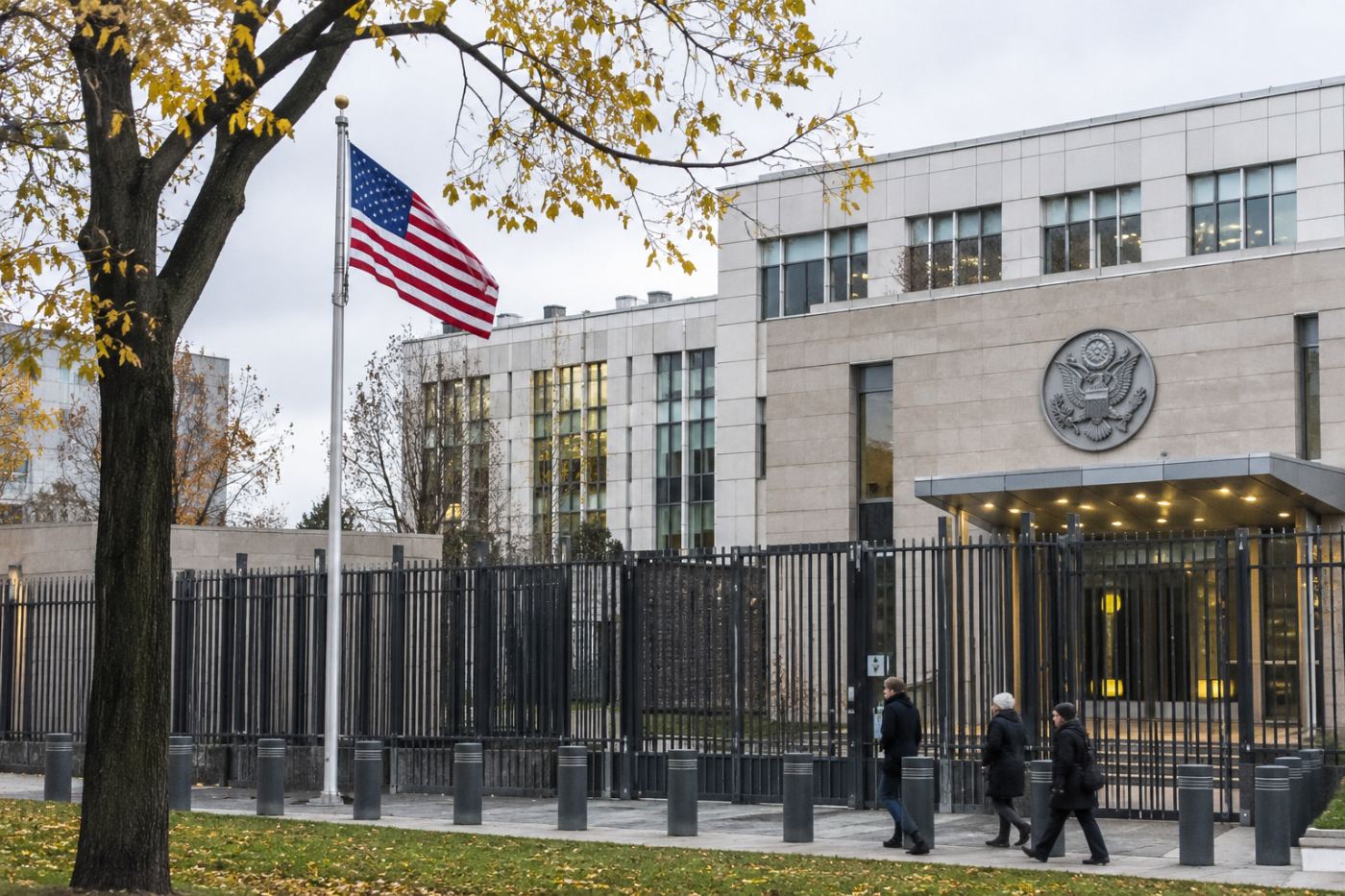
Former U.S. Ambassador to Ukraine Marie Yovanovitch delivered a remarkable account before Congress Friday, describing how a campaign of false allegations, political pressure, and personal attacks helped force her from her diplomatic post despite more than three decades of service to the United States.
Her testimony before the House Intelligence Committee offered a troubling picture of American foreign policy, one in which individuals pursuing political and personal interests appeared capable of undermining an experienced diplomat working to combat corruption.
At the center of that campaign was Rudy Giuliani, President Donald Trump's personal attorney.
A Diplomat Who Challenged Corruption
Yovanovitch arrived in Ukraine in 2016 with a mission to strengthen American relations and support efforts to reform the country's notoriously corrupt institutions.
Her work included encouraging judicial independence and challenging powerful interests that benefited from Ukraine's dysfunctional legal system.
But those efforts made her enemies.
According to testimony presented during the impeachment investigation, former Ukrainian prosecutor general Yuriy Lutsenko and others opposed to anti-corruption reforms helped spread allegations questioning Yovanovitch's loyalty to President Trump.
Giuliani amplified those allegations through media appearances and communications with Ukrainian figures.
George Kent, a senior State Department official, has testified that the accusations against Yovanovitch were baseless.
The Campaign Reaches Washington
Yovanovitch told lawmakers that she became increasingly concerned as attacks against her gained attention in the United States.
Among the allegations was a claim that she had supplied Ukrainian prosecutors with a list of individuals they should not investigate.
She categorically denied the accusation.
She also rejected suggestions that she had undermined Trump's presidential campaign or acted against his administration.
Nevertheless, the campaign continued.
In April, Yovanovitch received an urgent instruction to return to Washington.
Deputy Secretary of State John Sullivan subsequently informed her that Trump had lost confidence in her.
When she asked what she had done wrong, Sullivan told her that she had done nothing wrong, according to her testimony.
Where Was the State Department?
One of the most significant questions raised during Friday's hearing concerned the State Department's failure to publicly defend its own ambassador.
Yovanovitch testified that colleagues had sought a statement supporting her professional reputation.
That statement never materialized.
She indicated that State Department officials feared any public defense could be contradicted by the president.
Secretary of State Mike Pompeo has faced criticism over the department's handling of the controversy.
The episode raises broader concerns about whether career diplomats can rely on institutional support when politically connected individuals seek their removal.
A Warning to American Diplomats
Yovanovitch emphasized that the president possesses the legal authority to recall ambassadors.
Her objection was not simply that she lost her position, but that her reputation was damaged through allegations she described as false.
She warned that the episode could encourage corrupt foreign interests to target American officials who interfere with their ambitions.
Her testimony suggested that the consequences extend beyond her own career.
If foreign political figures believe they can remove American diplomats through misinformation and influential contacts in Washington, the credibility of U.S. diplomacy could suffer.
The Larger Impeachment Question
Yovanovitch's removal has become a central element of the House impeachment inquiry into Trump's dealings with Ukraine.
Investigators are examining whether the president and his associates used American foreign policy to pursue investigations involving political opponents.
Republicans maintain that Trump had the authority to replace the ambassador and dispute Democratic allegations of presidential misconduct.
But Yovanovitch's testimony leaves a separate issue unresolved: Why did the administration permit unsupported accusations to undermine a diplomat carrying out established American policy?
Marie Yovanovitch did not lose her position following a finding of professional misconduct. According to her testimony, she was removed after a campaign of allegations that her own colleagues knew were unfounded.
The implications reach far beyond one ambassador or one country.