Donald Trump repeatedly insisted that his dealings with Ukraine were legitimate foreign policy, not an attempt to damage a political opponent.
But on November 21, 2019, an American diplomat testified before Congress about a telephone conversation that raised serious questions about the president's priorities.
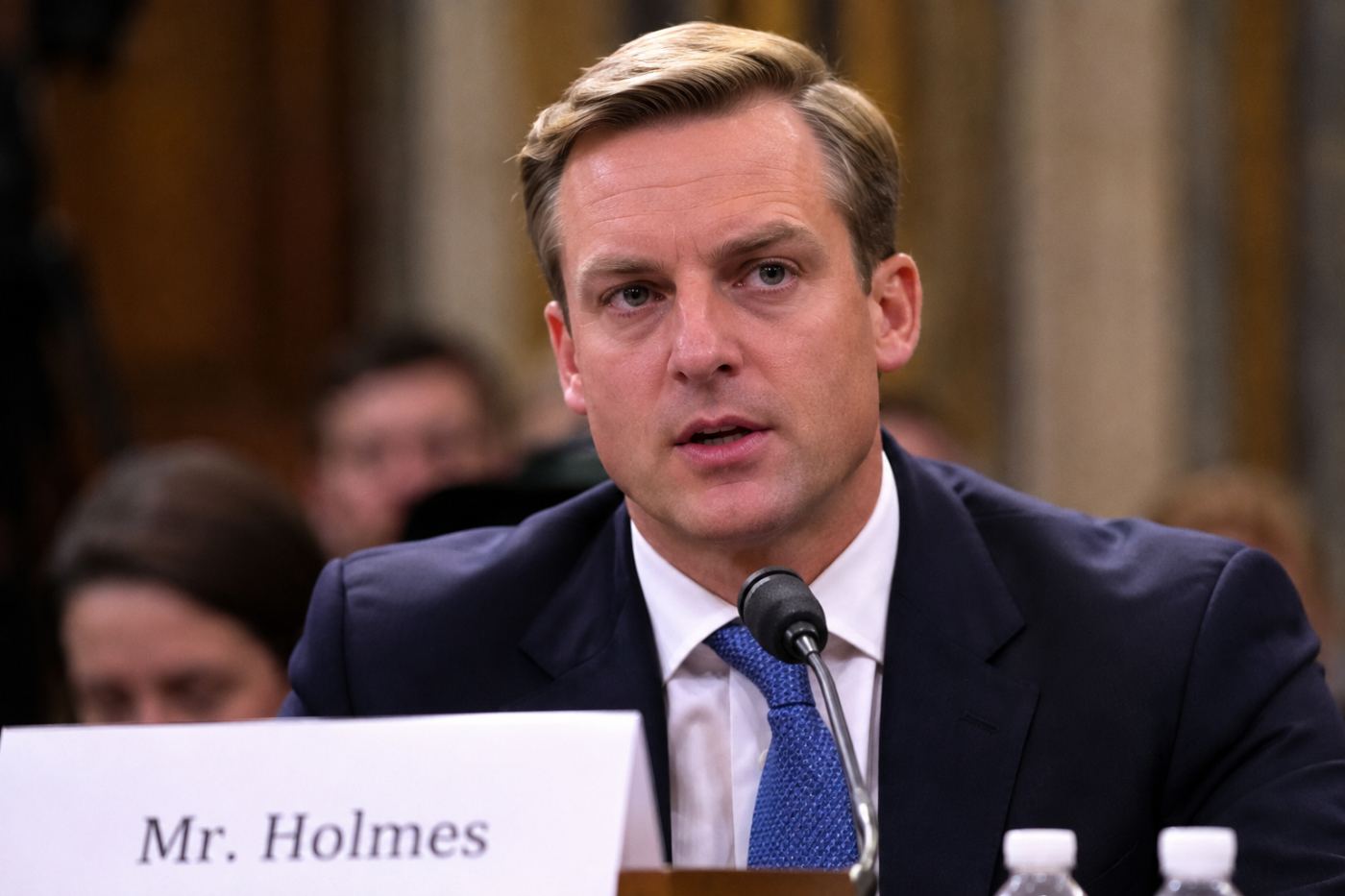
David Holmes, a career Foreign Service officer stationed at the U.S. Embassy in Kyiv, described overhearing Trump personally ask Ambassador Gordon Sondland whether Ukraine would proceed with the investigations the president wanted.
The conversation had occurred on July 26, just one day after Trump's controversial telephone call with Ukrainian President Volodymyr Zelensky.
A Presidential Phone Call in a Kyiv Restaurant
Holmes testified that he was having lunch with Sondland and other officials at an outdoor restaurant in Kyiv when the ambassador called the White House.
Sondland used his personal cellphone to reach Trump.
The president's voice was so loud that Holmes could hear portions of the conversation despite the phone not being on speaker.
According to Holmes, Trump asked whether Zelensky would proceed with the investigation.
Sondland assured the president that the Ukrainian leader would cooperate.
The exchange was particularly significant because it demonstrated Trump's personal interest in the investigations that had become central to the impeachment inquiry.
What Did Trump Really Care About?
After the telephone call ended, Holmes asked Sondland about Trump's attitude toward Ukraine.
Sondland's reported response was revealing.
According to Holmes, the ambassador said Trump cared little about Ukraine itself and was primarily interested in matters that benefited him personally.
When Holmes questioned what those matters were, Sondland specifically identified the Biden investigation being promoted by Trump's personal attorney, Rudy Giuliani.
The exchange suggested that the president's interest in Ukraine was connected to domestic political considerations rather than solely to American national security.
Holmes was careful to explain that these comments represented what Sondland had told him, not a separate conversation Holmes had personally conducted with Trump.
Ukraine Was Fighting a War
At the time, Ukraine was confronting Russian military aggression and depended heavily on American diplomatic and military assistance.
The Trump administration had temporarily frozen nearly $400 million in congressionally approved security aid.
House investigators were examining whether that assistance and a potential White House meeting had been used to pressure Ukraine into announcing investigations involving Joe Biden and allegations about the 2016 presidential election.
Holmes testified that the administration's approach undermined established American policy toward Ukraine.
The president's interest in the investigations appeared especially troubling against the backdrop of Ukraine's ongoing security crisis.
Trump Challenges the Witness
Trump disputed Holmes's account, questioning whether someone could overhear a telephone conversation without the device being placed on speakerphone.
Holmes explained that Trump's voice had been distinctive and unusually loud.
He also described Sondland holding the phone away from his ear during the initial exchanges.
Republican lawmakers challenged Holmes's recollection and emphasized that he had not heard the entire conversation.
Sondland also disputed Holmes's account of their subsequent discussion, particularly whether he had specifically mentioned Biden.
Nevertheless, Holmes maintained that his recollection was accurate.
Another Piece of the Impeachment Record
Holmes's testimony followed Sondland's November 20 appearance, during which the ambassador acknowledged that a White House meeting had been conditioned on Ukraine announcing investigations sought by Trump's representatives.
Together, the testimony provided Congress with accounts of how the administration's Ukraine policy had become intertwined with politically sensitive investigations.
The House impeached Trump on December 18, 2019, for abuse of power and obstruction of Congress. The Senate acquitted him in February 2020.
The Significance of November 21
Holmes's testimony offered something important to the historical record: a firsthand account of Trump personally asking about the Ukrainian investigations.
It did not establish every allegation made during the impeachment inquiry, nor did Holmes claim to have witnessed all the administration's internal decisions.
But it provided evidence that the president was directly interested in the investigations his representatives were pursuing.
On November 21, 2019, that account became part of the public congressional record.