Donald Trump's decision to pardon former national security adviser Michael Flynn was controversial enough. But the White House went further, issuing an extraordinary statement declaring Flynn innocent and portraying his prosecution as a politically motivated attack.
There was one glaring contradiction: Flynn had twice pleaded guilty to lying to federal investigators.
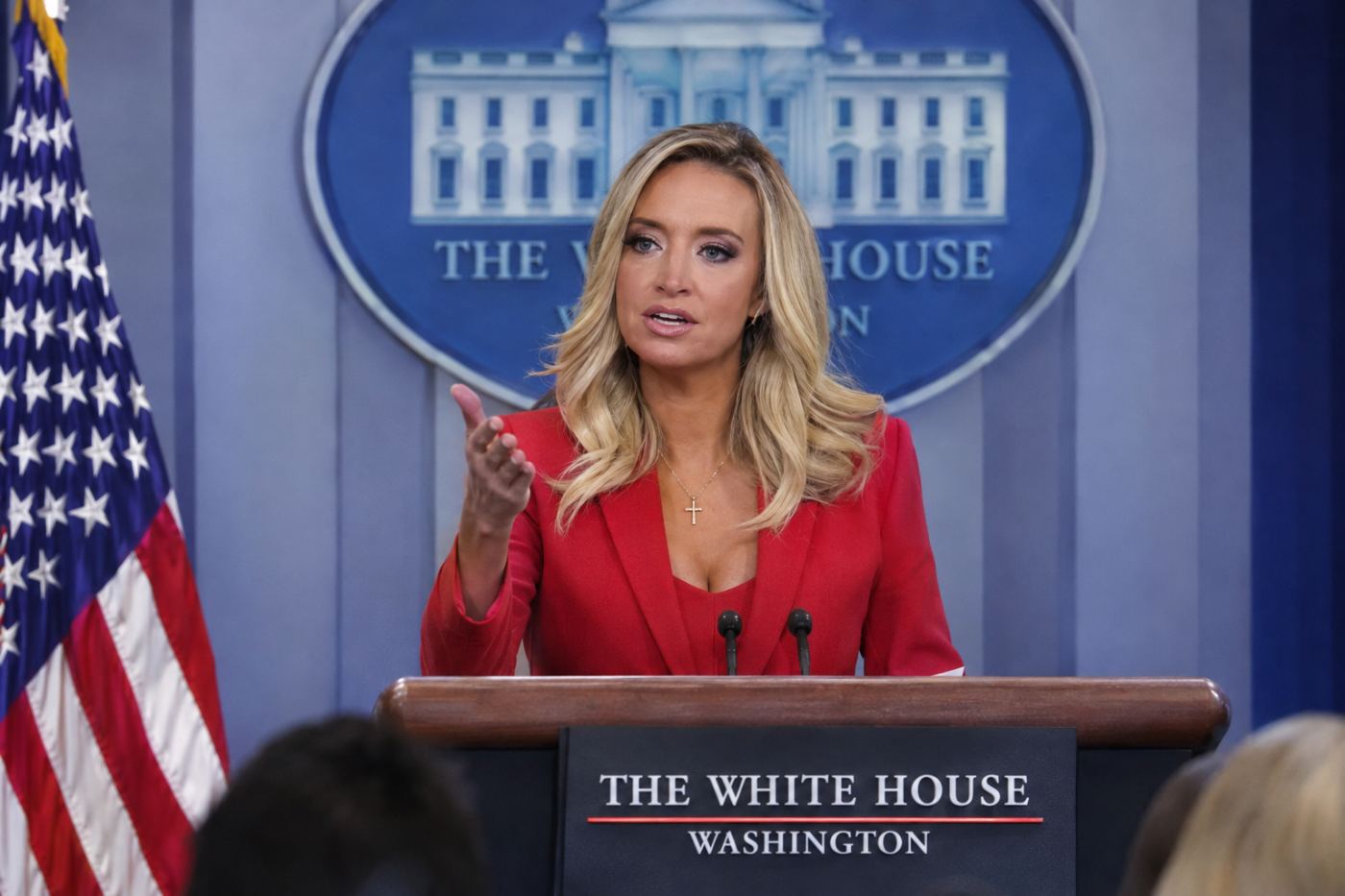
On November 25, 2020, White House Press Secretary Kayleigh McEnany released a statement defending Trump's pardon and claiming Flynn should never have been prosecuted.
The administration presented Flynn not as a former official receiving presidential mercy, but as the victim of an unjust investigation.
The White House Declares Flynn Innocent
The official statement asserted that Flynn had been subjected to a partisan prosecution and claimed that a Justice Department review supported dropping the charges.
It described Flynn as an innocent man and accused government officials of attempting to undermine Trump's 2016 election victory.
The language went beyond defending the president's constitutional pardon authority.
The White House was publicly challenging the legitimacy of a federal criminal case in which Flynn had already admitted wrongdoing under oath.
The Guilty Pleas the Statement Overlooked
Flynn served as Trump's national security adviser for less than a month before resigning in February 2017.
His departure followed revelations about his conversations with Russian Ambassador Sergey Kislyak and misleading statements to Vice President Mike Pence.
In December 2017, Flynn pleaded guilty to making false statements to the FBI concerning his contacts with Kislyak.
He reaffirmed that plea before a federal judge in December 2018.
Flynn initially cooperated with Special Counsel Robert Mueller's investigation.
He later changed attorneys, sought to withdraw his guilty plea, and alleged that investigators had acted improperly.
Those later arguments did not erase the fact that Flynn had twice admitted guilt in court.
Trump's Justice Department Changes Course
In May 2020, the Justice Department under Attorney General William Barr moved to dismiss Flynn's prosecution.
The department argued that Flynn's statements were not material to a legitimate investigation and questioned whether prosecutors could establish the offense.
Flynn's supporters welcomed the reversal as evidence that he had been unfairly targeted.
Critics argued that the Justice Department was extending unusual treatment to a politically connected defendant.
Federal Judge Emmet Sullivan did not immediately grant the dismissal request.
Instead, he sought additional examination of the government's arguments.
The dispute remained unresolved when Trump issued his pardon.
A Pardon Is Not a Declaration of Innocence
The Constitution gives presidents broad authority to pardon federal offenses.
Trump was legally entitled to exercise that power on Flynn's behalf.
But a presidential pardon is not the same as a judicial finding that a defendant did nothing wrong.
That distinction became central to the controversy.
The White House declared Flynn innocent while the courts had not reached such a conclusion.
On December 8, Judge Sullivan dismissed Flynn's case as moot because of the pardon.
His ruling emphasized that presidential clemency did not independently establish Flynn's innocence.
Sullivan also expressed skepticism about the Justice Department's explanations for seeking dismissal.
The case ended through presidential intervention, not a judicial determination that Flynn had been wrongfully prosecuted.
The Political Narrative Behind the Pardon
Trump had repeatedly portrayed the Russia investigation as an effort by political opponents to undermine his presidency.
Flynn became a prominent figure in that narrative.
His supporters argued that investigators had improperly targeted him and that his prosecution represented government misconduct.
The November 25 White House statement embraced those claims.
But it presented contested allegations about the investigation as established conclusions.
That distinction mattered because the statement carried the authority of the presidency.
Rather than simply explaining why Trump had chosen to grant clemency, the administration used an official government announcement to defend a broader political interpretation of the Russia investigation.
An Unusually Broad Grant of Protection
The pardon itself was extensive.
It covered Flynn's false-statements charge and additional potential federal offenses connected to the special counsel's investigation.
The breadth of that protection prompted further scrutiny.
Trump's defenders argued that the pardon was justified because Flynn had been treated unfairly.
Critics questioned whether presidential clemency was being used to protect a loyal former adviser from legal accountability.
The White House's insistence on Flynn's innocence intensified that debate.
November 25: The Difference Between Clemency and Exoneration
The central issue was not whether Trump had the constitutional power to pardon Michael Flynn.
He did.
The controversy concerned the administration's attempt to portray that pardon as proof that Flynn had been innocent all along.
Flynn had twice pleaded guilty.
The Justice Department later sought to dismiss the case.
The White House declared him innocent.
And a federal judge ultimately dismissed the proceedings because Trump had granted clemency, without making a finding of innocence.
Those are four different legal and political developments.
On November 25, 2020, Trump's administration attempted to combine them into a single narrative of vindication.
The historical record tells a more complicated story.
The president had the authority to forgive federal offenses.
He did not have the authority to transform a pardon into a judicial declaration of innocence.