President Donald Trump is facing a political reality he has largely avoided during his second term: a Congress controlled by Democrats with the power to investigate his administration.
Following Republican losses in the November midterm elections, Trump has intensified his accusations that Democratic leaders are corrupt, criminal, and dangerous to the country.
But political scientists who study authoritarian governments say the president's response resembles a familiar strategy: discrediting political opponents before they can hold those in power accountable.
Accuse the Investigators
According to a November 15 Los Angeles Times investigation, Trump has repeatedly described Democratic officials as corrupt while offering little evidence to support his sweeping allegations.
Barbara Geddes, a UCLA political scientist who has studied dictatorships for decades, explained that accusations of corruption are frequently employed by authoritarian leaders to undermine their political rivals.
Princeton University professor Kim Lane Scheppele, who studies democratic decline, also identified similarities between Trump's political strategy and tactics employed by Hungary's former prime minister Viktor Orbán.
The experts did not suggest that the United States has become a dictatorship. Rather, they warned about political tactics that can weaken democratic accountability.
Congressional Investigations Are Coming
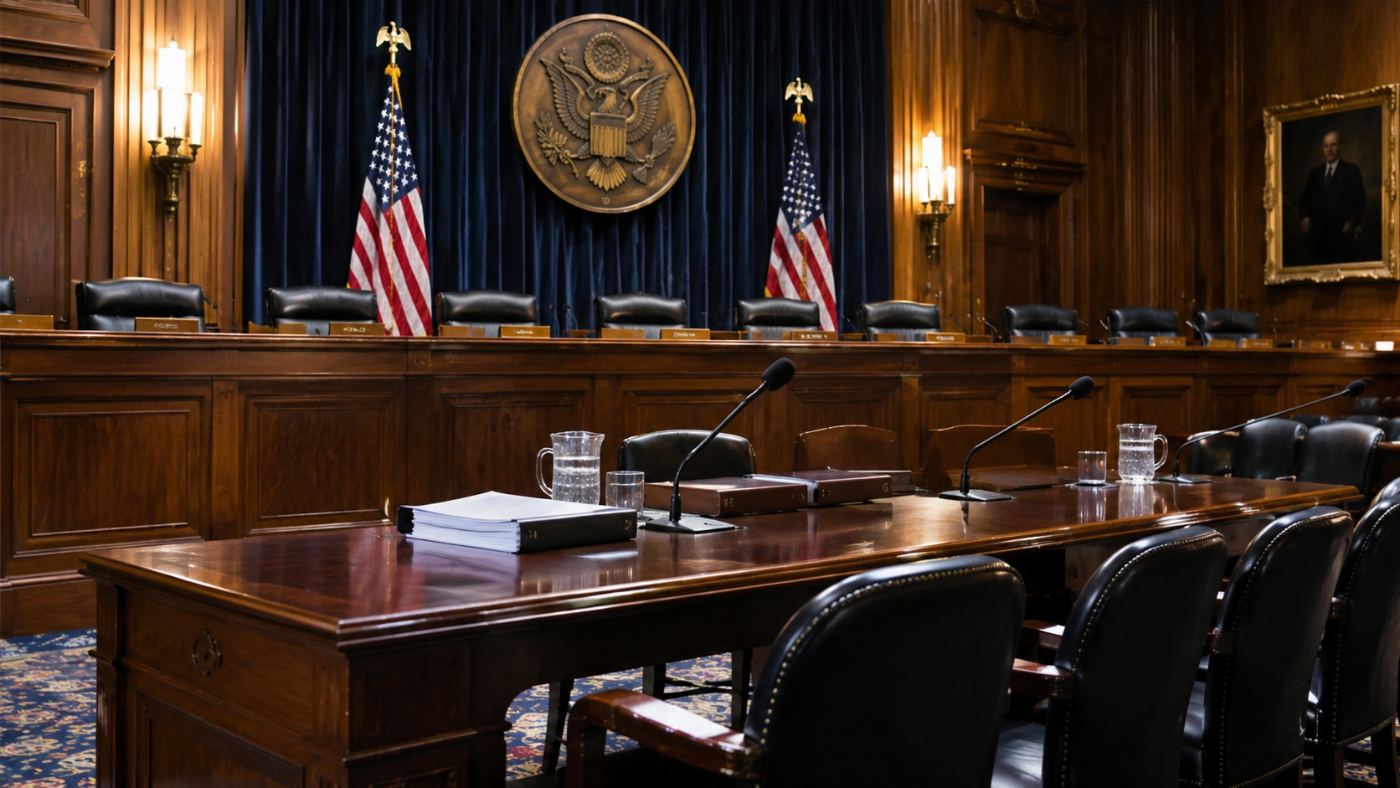
Democrats are preparing investigations into several controversial aspects of Trump's presidency when the new Congress convenes in January.
Among the subjects identified by congressional leaders are:
- The administration's handling of Jeffrey Epstein investigation records.
- Immigration enforcement operations and allegations of misconduct.
- Trump's cryptocurrency ventures and potential conflicts of interest.
- Financial dealings involving members of the Trump family.
- Government decisions involving corporations with connections to administration officials.
Representative Robert Garcia, expected to lead the House Oversight Committee, has promised extensive scrutiny of the president's financial activities.
Senator Richard Blumenthal has discussed investigating Trump's real estate and cryptocurrency dealings.
Trump and his family deny wrongdoing.
The Justice Department Under Scrutiny
Trump has repeatedly accused political opponents of criminal activity, including Senator Adam Schiff, New York Attorney General Letitia James, and former FBI Director James Comey.
Some resulting legal efforts have failed in court.
Critics argue that these cases demonstrate the dangers of using federal law enforcement to pursue political adversaries.
The administration maintains that its actions represent legitimate efforts to enforce the law and investigate alleged misconduct.
The distinction between legitimate prosecution and political retaliation is now becoming a central issue in the approaching congressional investigations.
A Different Political Landscape
For much of Trump's second term, Republicans controlled Congress, limiting the scope of investigations initiated by his political opponents.
That arrangement will change in January.
Democratic committee leaders will gain authority to conduct hearings, request documents, and issue subpoenas.
The White House has reportedly expanded its legal preparations in anticipation of these investigations.
Meanwhile, Trump continues portraying his opponents as corrupt and politically motivated.
The Test of Accountability
Congressional oversight is not an extraordinary punishment. It is an established constitutional responsibility intended to ensure that government officials remain accountable.
Investigations do not establish guilt, and allegations against Trump or members of his administration must be evaluated against evidence.
But presidential accusations of corruption do not invalidate Congress's authority to investigate.
The coming confrontation will test whether congressional investigators can obtain the records and testimony necessary to examine the administration's conduct.
After two years of limited opposition oversight, Trump is approaching a period in which his administration's decisions, financial relationships, and use of federal power will face substantially greater scrutiny.