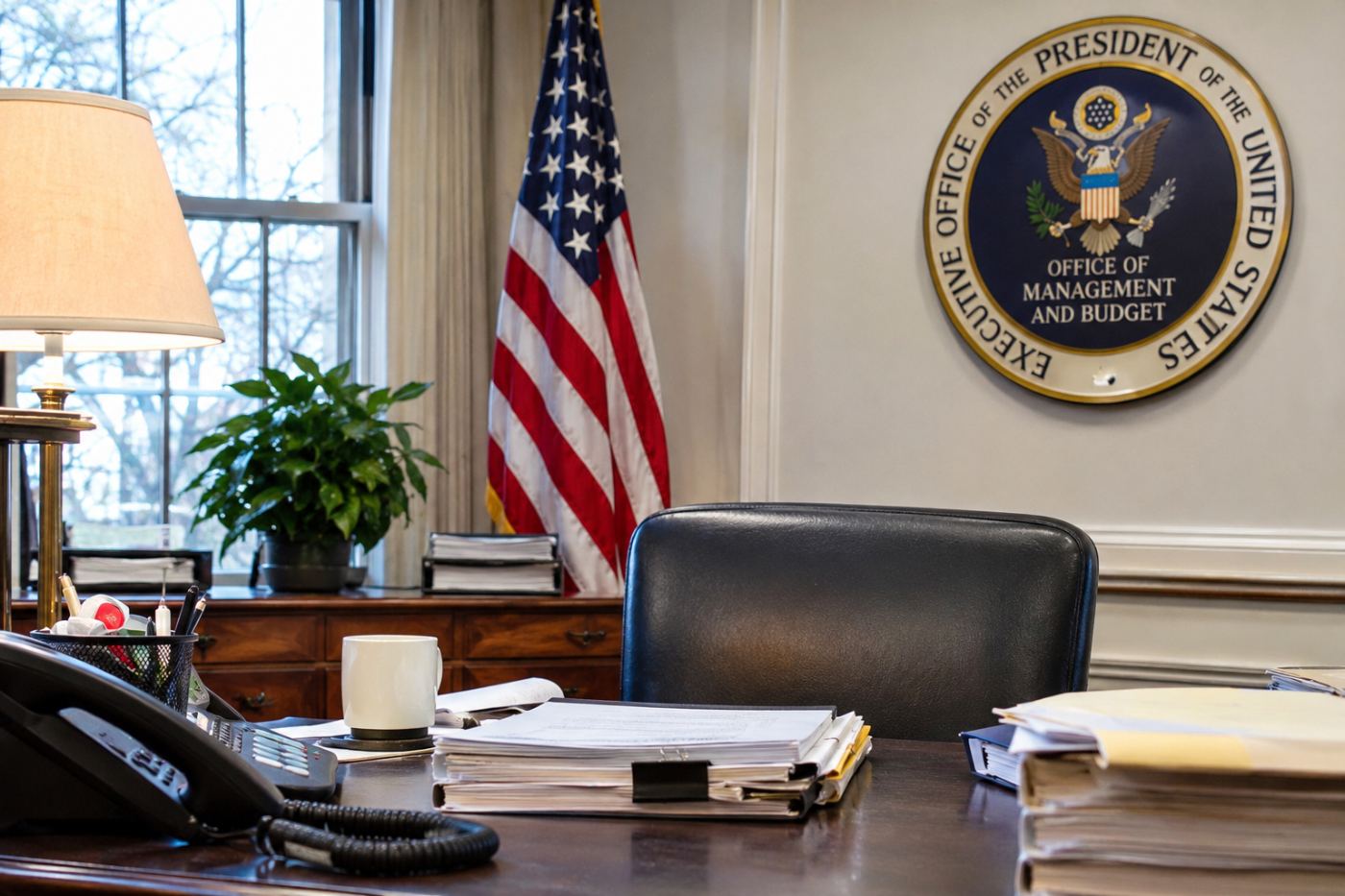
President Donald Trump's decision to freeze nearly $400 million in military assistance to Ukraine came under renewed scrutiny Saturday as a career White House budget official broke ranks with the administration and testified before congressional impeachment investigators.
Mark Sandy, a longtime employee of the Office of Management and Budget (OMB), became the first official from the agency to cooperate with the House impeachment inquiry, despite White House instructions discouraging participation.
His testimony reportedly described an unusually handled decision to withhold congressionally approved assistance from a country confronting Russian aggression.
The development raises an increasingly difficult question for the Trump administration: Why was American military assistance suspended, and why have senior White House officials resisted explaining the decision under oath?
A Freeze Nobody Could Explain
Congress had approved military assistance intended to help Ukraine defend itself against Russian-backed forces.
Yet during the summer, the Trump administration unexpectedly suspended the funding.
According to people familiar with Sandy's closed-door testimony, senior political appointees at OMB could not provide a clear explanation for the delay.
Sandy reportedly described the decision as highly irregular.
The funding freeze occurred while Trump and his associates were pressing Ukrainian officials to pursue investigations involving former Vice President Joe Biden and his son Hunter.
Democratic investigators are examining whether the president used military assistance as leverage to obtain politically advantageous investigations.
Trump denies wrongdoing and insists his actions were motivated by legitimate concerns about corruption.
A Career Official Breaks the Silence
Sandy's decision to testify stands in contrast to the conduct of several senior administration officials.
Acting OMB Director Russell Vought and political appointee Michael Duffey have refused congressional demands to appear.
Sandy, however, testified under subpoena for nearly six hours.
His participation is particularly significant because OMB was directly responsible for implementing the funding hold.
Documents previously discussed during the impeachment inquiry show that Sandy signed an initial budget directive restricting the release of Ukraine assistance.
The responsibility for approving subsequent directives was then transferred to Duffey, a political appointee.
The circumstances surrounding that change have become another focus of investigators.
The President's Political Interests
The funding controversy cannot be separated from Trump's July 25 telephone conversation with Ukrainian President Volodymyr Zelensky.
During that call, Trump requested investigations involving the Bidens and a disputed theory about Ukrainian involvement in the 2016 American election.
The president's request came as Ukraine was seeking military assistance and closer relations with Washington.
Trump maintains that there was no improper exchange involving the assistance.
But testimony from diplomatic and national security officials has raised questions about whether Ukrainian leaders understood that American support was connected to the investigations Trump wanted.
The White House Refuses to Cooperate
The administration has instructed officials not to participate in the impeachment inquiry, arguing that the proceedings are illegitimate.
House Intelligence Committee Chairman Adam Schiff has criticized that refusal, accusing the White House of obstructing congressional oversight.
The refusal of senior budget officials to testify leaves investigators without direct public explanations from some of the individuals responsible for carrying out the funding suspension.
Sandy's cooperation provides a rare opportunity to examine the decision from inside the agency that implemented it.
A President Facing Unanswered Questions
The Constitution gives Congress authority over federal spending, and lawmakers are entitled to examine how appropriated funds are administered.
The impeachment investigation is now examining whether Trump used that spending authority to advance personal political interests.
The White House insists the president acted appropriately.
But the reported irregularities surrounding the Ukraine aid freeze, combined with the administration's resistance to congressional testimony, have intensified scrutiny of its explanation.
Congress approved the money. Ukraine needed the assistance. The White House stopped its release. And the officials responsible have struggled to explain why.
Mark Sandy's testimony brings investigators closer to answering that question.