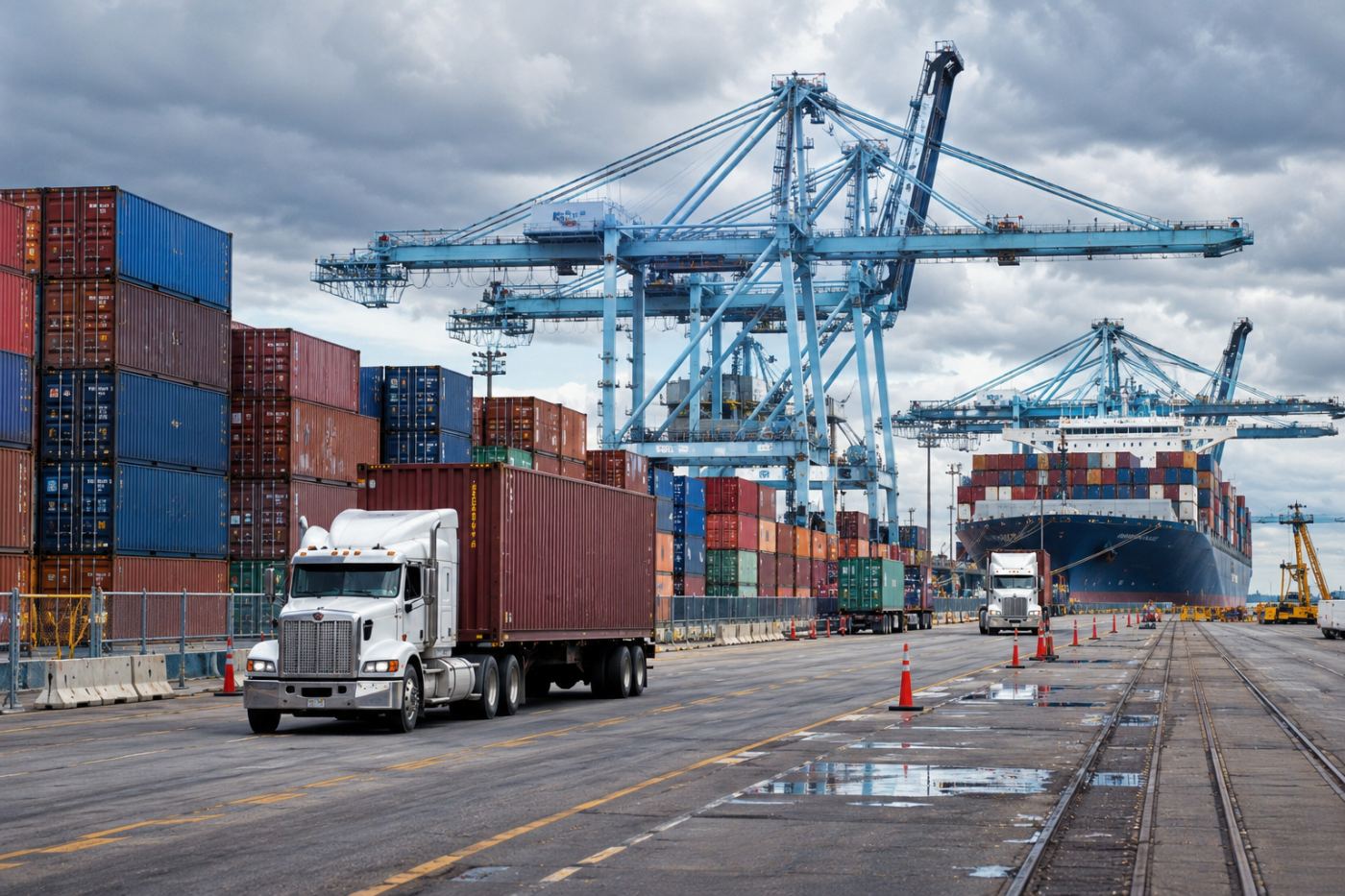
Donald Trump promised that tariffs would make America wealthy again. Instead, his trade war has left American businesses struggling with higher costs, consumers paying more for everyday products, and major corporations collecting enormous refunds from tariffs the Supreme Court ruled unlawful.
And the American families who ultimately paid those higher prices?
They're largely left holding the bill.
The Supreme Court Strikes Down Trump's Tariffs
In February 2026, the Supreme Court ruled that Trump had exceeded his authority by imposing sweeping tariffs under the International Emergency Economic Powers Act.
The ruling invalidated a major portion of his tariff program, including the administration's much-publicized Liberation Day tariffs.
But the damage wasn't automatically reversed.
Businesses had already paid billions in import duties. Many passed those costs along to customers through higher prices.
When the courts ordered refunds, the money went to the companies that had formally paid the tariffs.
Consumers who purchased more expensive products received no comparable refund.
Corporate America Gets Its Money Back
An October analysis by the Center for American Progress revealed the extraordinary financial consequences.
Approximately $166 billion in unlawful tariffs was slated for refunds to American importers.
Target alone disclosed receiving nearly $1 billion in tariff refunds.
Other major companies, including Ross Stores, Polaris, and Carter's, reported that refunds had improved their financial results.
Meanwhile, the millions of American households that absorbed higher prices had no direct mechanism for recovering their money.
It's an extraordinary outcome.
The government imposed tariffs. Businesses raised prices to cover their costs. Courts ruled that the tariffs were unlawful.
And now corporations are receiving refunds while consumers remain stuck with the higher prices they paid.
Small Businesses Take Another Hit
The situation is particularly difficult for smaller companies.
According to the same analysis, approximately 234,000 identified small-business importers paid an average of $426,000 more in tariffs between March 2025 and August 2026 than during the preceding 18 months.
Their estimated average refund from the unlawful tariffs was approximately $149,000.
That leaves a substantial gap between their increased tariff costs and the relief available.
And obtaining refunds isn't necessarily simple. Businesses must navigate complicated filing requirements, sometimes requiring expensive professional assistance.
For smaller companies operating on thin margins, the financial strain can be considerable.
The Trade War Isn't Over
Despite the Supreme Court ruling, other tariffs remain in effect.
The Trump administration has continued pursuing trade restrictions through alternative legal authorities, leaving businesses facing uncertainty about future costs.
The Tax Foundation estimates that remaining industry-specific tariffs could cost American households an average of $400 in 2026.
Meanwhile, consumer prices rose again in October, with inflationary pressures coming from several sources, including tariffs and higher energy costs.
The White House argues that its trade policies protect American industries, encourage domestic investment, and strengthen the country's negotiating position.
But those promised long-term benefits do not erase the costs already imposed on American businesses and consumers.
The American Family Pays the Price
The central contradiction of Trump's tariff strategy is becoming increasingly difficult to ignore.
The president promised that foreign countries would bear the financial burden.
Instead, American importers paid the tariffs, businesses passed along significant costs, and consumers faced higher prices.
Now some of the country's largest corporations are collecting refunds.
American families aren't.
Trump called his tariffs a strategy for restoring American prosperity.
For many consumers, the immediate result has been higher prices without a corresponding refund.
The corporations get their money back. The American people get the bill.