President Donald Trump's promises to bring down prices are facing another serious challenge as newly released government figures reveal that wholesale inflation has surged to its highest annual rate in nearly four years.
According to the Bureau of Labor Statistics, the Producer Price Index (PPI) climbed 6.5% over the 12 months ending in October 2026, the largest annual increase since November 2022.
The figures reveal mounting pressure on American businesses and households already struggling with elevated food, transportation, and energy costs.
Inflation Is Accelerating Again
Wholesale inflation increased 0.3% in October following a revised 1.4% surge in September.
Although the monthly increase slowed, annual wholesale inflation accelerated from 6.3% in September to 6.5% in October.
Just one year earlier, the annual rate stood at approximately 3.1%.
The deterioration raises questions about the administration's repeated assurances that its economic policies would deliver lower prices.
Even excluding volatile food and energy categories, core wholesale inflation remained elevated at approximately 5% annually.
Food Prices Deliver Another Blow
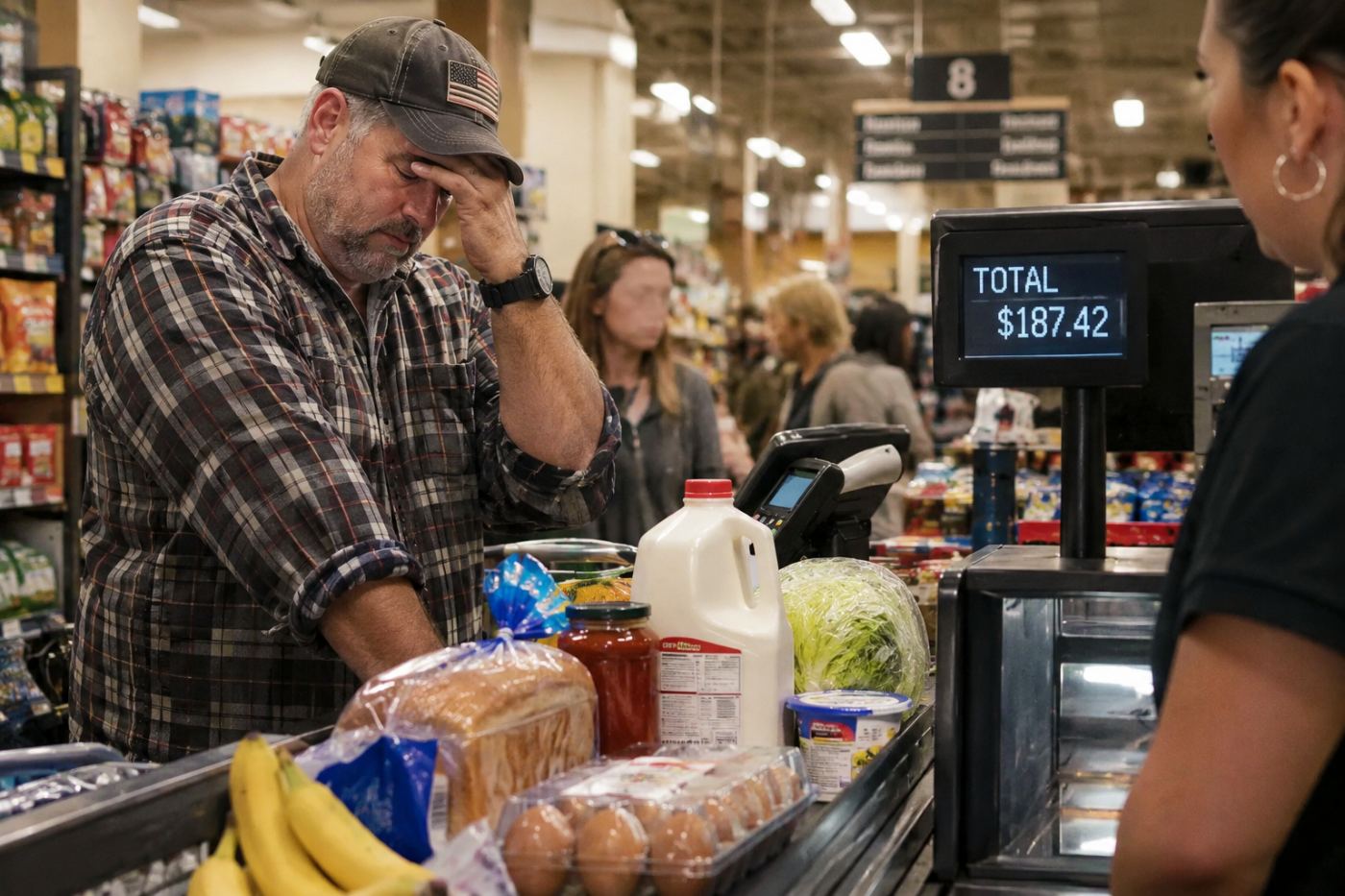
American families could face additional pressure at grocery stores as wholesale food prices increased 1.3% in October.
The figures were particularly alarming for fresh and dry vegetables, which experienced a staggering 26.7% monthly increase following a 30.7% jump in September.
Higher wholesale costs do not automatically translate into identical increases at grocery stores, but they create pressure for retailers to raise prices.
For households already stretching their budgets, another round of food inflation threatens to make everyday necessities increasingly expensive.
Transportation Costs Spread Throughout the Economy
One of the biggest contributors to inflation has been the sharp increase in fuel costs associated with the war involving Iran and disruptions to energy supplies.
Although wholesale diesel prices declined 7.9% in October, the effects of earlier increases continue spreading throughout the economy.
Truck freight transportation prices jumped 3.9% during the month.
Because trucks transport groceries, construction materials, consumer products, and countless other necessities, higher shipping costs can eventually affect prices across the economy.
Trump's tariffs may create additional cost pressures for businesses relying on imported goods and materials, although the inflation report does not establish how much of October's increase resulted from tariffs.
The Federal Reserve Faces Another Difficult Decision
The inflation figures create additional complications for the Federal Reserve.
With inflation remaining well above its 2% target, policymakers are considering further interest rate increases to restrain price growth.
Higher interest rates could mean more expensive mortgages, automobile loans, credit cards, and business financing.
That creates a difficult economic situation: Americans already confronting rising prices could also face higher borrowing costs.
Economists increasingly expect another interest rate increase when the Federal Reserve meets in December.
Trump's Economic Promises Face the Numbers
Trump has repeatedly promoted his tariffs and broader economic policies as tools for restoring American prosperity and reducing costs.
His administration maintains that those policies will strengthen domestic production and deliver long-term economic benefits.
But the latest government figures demonstrate that inflation remains a substantial problem.
Energy disruptions, supply-chain pressures, and increased demand for technology equipment are contributing to rising prices, making it impossible to attribute the entire increase to any single presidential policy.
Nevertheless, the contrast between Trump's promises of affordability and the current economic reality is increasingly difficult to overlook.
Wholesale inflation has reached its highest annual level since 2022, food costs are climbing, and the possibility of higher interest rates threatens to add another burden.
For millions of American households, the central economic question remains unchanged: when will everyday life become more affordable?