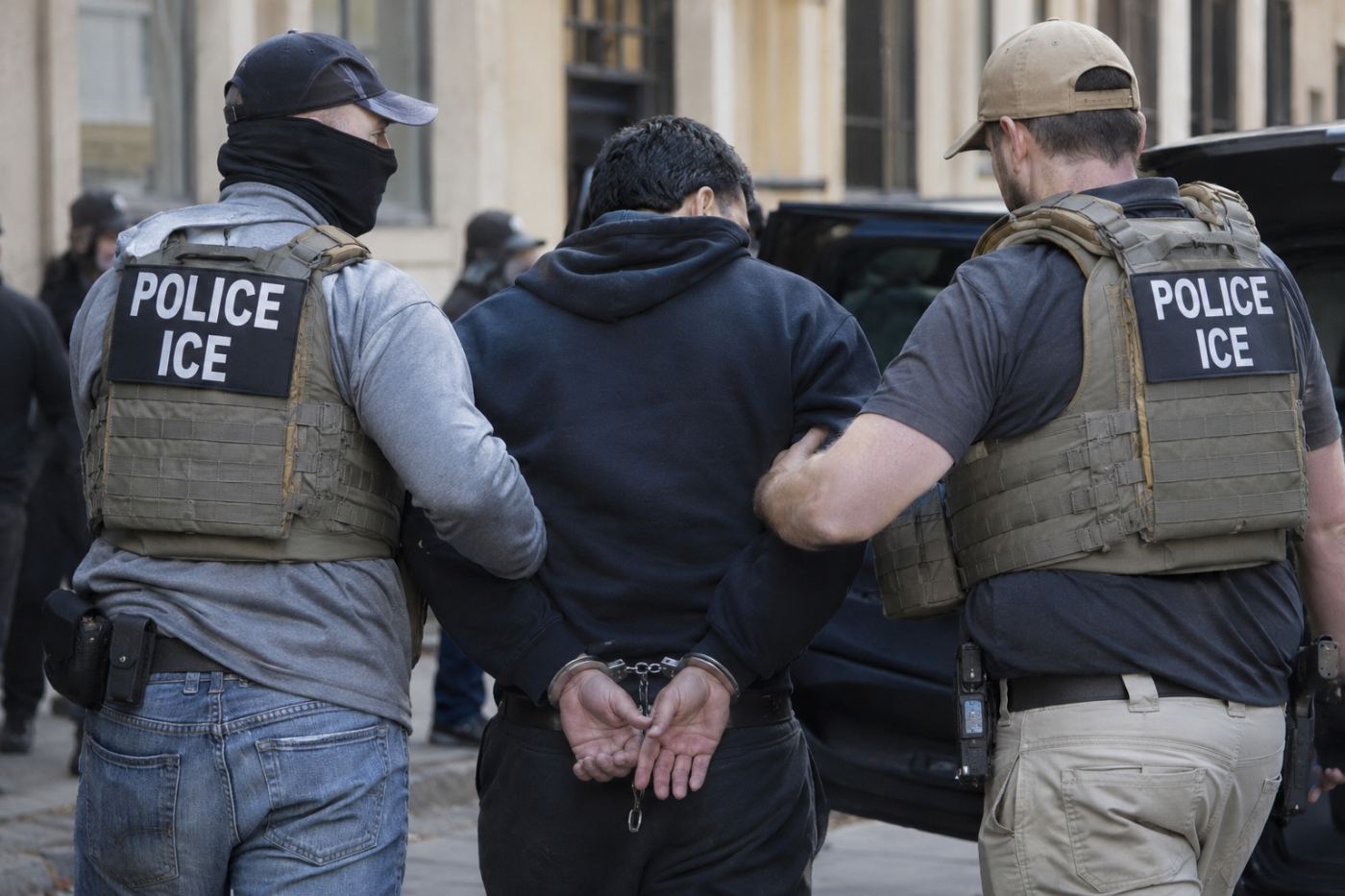
In an extraordinary admission of an overwhelmed federal justice system, the U.S. Attorney's Office for the Western District of Washington announced that it no longer has sufficient resources to defend every lawsuit challenging Immigration and Customs Enforcement (ICE) detentions.
The decision represents another embarrassing consequence of President Donald Trump's sweeping immigration enforcement agenda: an administration determined to detain and deport immigrants is now struggling to defend its own actions in federal court.
A Justice Department Overwhelmed
Acting U.S. Attorney Charles Floyd informed federal judges that his office could no longer assign attorneys to every immigration habeas corpus petition, the legal mechanism detainees use to challenge potentially unlawful imprisonment.
The problem is staggering.
According to reporting by CNN, nearly 100,000 immigration detention challenges have been filed nationwide since Trump returned to office in January 2025. Approximately 2,000 were filed in Washington's Western District alone.
The flood of litigation has consumed enormous amounts of prosecutorial time, diverting federal attorneys from other civil cases and government responsibilities.
Rather than continue defending every detention, Floyd's office will allow judges to decide many cases without government opposition.
The decision applies to the Western District of Washington, not the entire Justice Department nationwide.
Trump's Policies Created the Crisis
The administration's detention policies have significantly restricted opportunities for immigrants to obtain release while their immigration proceedings continue.
As a result, thousands have turned to federal courts seeking relief.
Many of these cases involve people challenging detention without access to bond hearings, raising fundamental questions about due process and the government's authority to imprison individuals while deportation proceedings remain unresolved.
Federal judges have repeatedly ruled against the administration in immigration detention disputes.
Now the consequences are reaching the very prosecutors responsible for defending those policies.
In one Washington case, U.S. District Judge Kymberly Evanson determined that the government's failure to respond meant it had forfeited arguments it could have presented against a detainee's petition.
The Cost of an Immigration Crackdown
The situation exposes a contradiction at the center of Trump's immigration agenda.
The administration has devoted enormous attention and resources to expanding immigration enforcement, yet its legal infrastructure is struggling to handle the consequences.
Federal prosecutors who might otherwise work on unrelated government litigation are instead buried under challenges to immigration detention.
The crisis also raises questions about the cost to taxpayers of maintaining detention policies that generate thousands of lawsuits.
Meanwhile, the Supreme Court is preparing to address disagreements among federal appeals courts over whether certain immigrants are entitled to bond hearings while challenging their detention.
An Administration Fighting Itself
For Trump, the political embarrassment is difficult to ignore.
His administration has portrayed aggressive immigration enforcement as a demonstration of government strength and efficiency.
Yet in Washington state, that same approach has produced a legal workload so overwhelming that federal prosecutors are choosing not to contest many detention challenges.
That does not guarantee detainees will be released. Judges must still evaluate the legal merits of each petition.
But it demonstrates how enforcement policies can overwhelm the institutions responsible for defending them.
Trump promised an immigration system operating with unprecedented force.
Instead, his administration has helped create a legal crisis that its own attorneys cannot fully manage.