Donald Trump returned to the White House in January 2025 promising lower prices, economic prosperity, and relief for American families.
Nearly 21 months later, the economic numbers tell a very different story.
Inflation is higher. Unemployment is slightly higher. Gasoline prices have surged. The national debt continues to grow. And millions of Americans are finding that their paychecks simply don't stretch as far as they once did.
For a president who campaigned heavily on the cost of living, these are uncomfortable numbers.
Inflation: From 2.9% to 3.7%
When Joe Biden left office, annual inflation stood at 2.9%.
According to the Bureau of Labor Statistics report released Wednesday, inflation reached 3.7% in September 2026, accelerating from 3.4% in August.
That means prices are increasing at a faster annual rate than when Trump took office.
The September report showed a particularly sharp increase in energy prices, but rising costs were also recorded in housing, medical care, transportation, and other consumer expenses.
Trump repeatedly promised to bring prices down. Instead, Americans are watching many of their everyday expenses continue to climb.
Unemployment: Higher Than When Biden Left Office
The unemployment rate stood at 4.1% when Biden departed the White House.
By September 2026, it was 4.2%.
That increase is relatively small, and unemployment remains historically moderate. But the larger concern is weakening job creation.
The economy added only 29,000 payroll jobs in September, continuing a period of sluggish hiring.
For Americans searching for employment, a low unemployment rate offers little comfort when businesses are reluctant to hire.
Gasoline: From About $3.10 to More Than $4.30
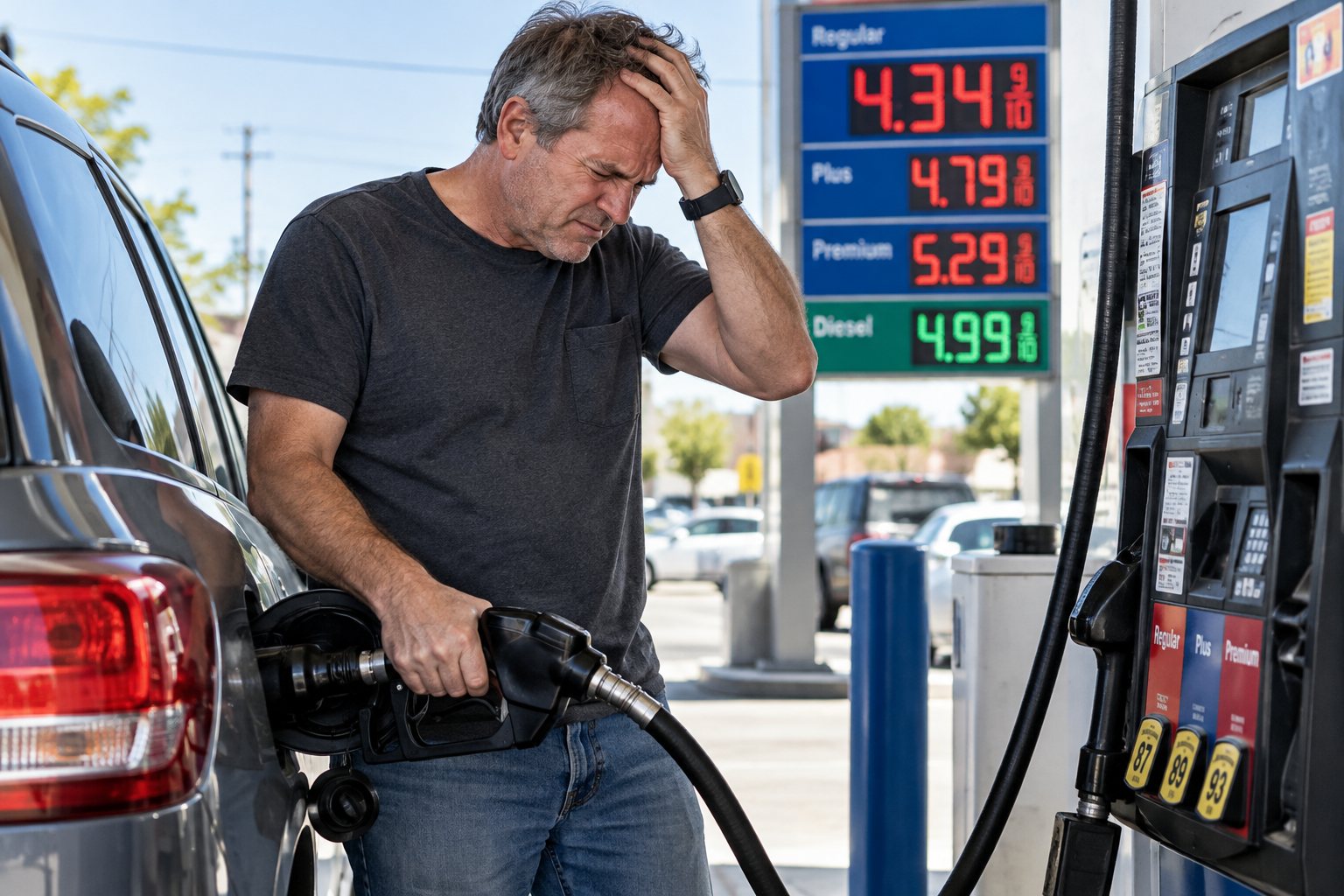
Few economic changes are as immediately noticeable as the price displayed outside a gas station.
In January 2025, the national average price of regular gasoline was approximately $3.10 per gallon.
By October 13, 2026, AAA reported a national average of approximately $4.34.
That's an increase of roughly 40%.
The war involving Iran has disrupted global energy markets and contributed significantly to rising fuel costs.
Higher gasoline prices also affect far more than drivers. Transportation costs influence the prices of groceries, deliveries, airline tickets, and countless other goods and services.
Americans are paying the price at the pump and throughout the economy.
The National Debt Keeps Growing
Trump has repeatedly promised to eliminate wasteful government spending and improve America's finances.
Yet the federal debt continues to increase.
The national debt was already enormous when Trump returned to office, following decades of spending, tax decisions, economic crises, and borrowing under both Republican and Democratic administrations.
Reducing that debt would require substantial changes in federal spending, revenue, or both.
Instead, Washington continues to borrow, leaving future taxpayers responsible for a growing financial burden.
The Cost of Living: The Promise That Matters Most
For ordinary Americans, the economy isn't measured by stock market records or presidential speeches.
It's measured by the mortgage or rent payment, the grocery bill, the utility statement, and the cost of filling the family car.
Prices have continued rising since Trump returned to office, and recent inflation has outpaced wage growth.
That means some workers are losing purchasing power even when their paychecks increase.
A family earning more money on paper can still find itself falling behind if housing, food, transportation, and insurance costs rise faster.
The Economic Reality Behind the Political Promises
Not every economic problem began with Donald Trump, and not every price increase can be attributed directly to his administration.
Inflation is influenced by global energy markets, monetary policy, supply chains, and international conflicts.
But Trump made sweeping promises about what his return to the presidency would mean for American households.
Those promises deserve to be measured against actual results.
After nearly 21 months, the evidence shows higher inflation, substantially higher gasoline prices, continued federal borrowing, and a labor market struggling to generate strong job growth.
Americans were promised economic relief.
Instead, many are paying more simply to maintain the same standard of living.
And no amount of political messaging can change the numbers on a grocery receipt or the price displayed at the gas pump.