President Donald Trump's impeachment troubles deepened Monday as House investigators released testimony from a career American diplomat who says he personally overheard the president asking about politically sensitive investigations involving Ukraine.
David Holmes, a political counselor at the U.S. Embassy in Kyiv, described a remarkable telephone conversation between Trump and Gordon Sondland, the American ambassador to the European Union.
The exchange took place on July 26, just one day after Trump's controversial telephone call with Ukrainian President Volodymyr Zelensky.
Holmes' account places Trump directly in a conversation about the investigations at the center of the impeachment inquiry.
A Phone Call Heard Across the Table
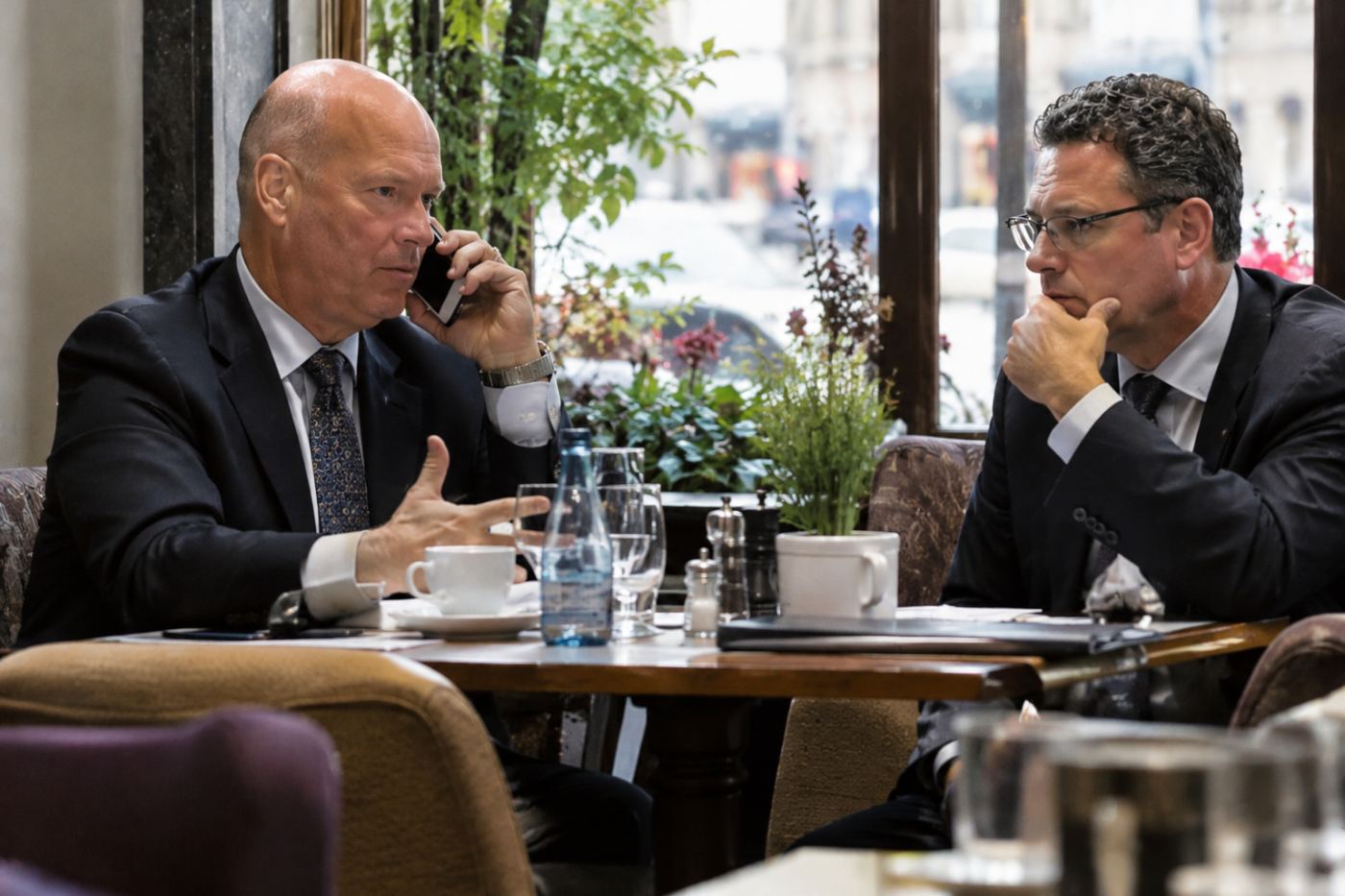
According to Holmes, Sondland called Trump from a restaurant in Kyiv while the two diplomats were having lunch.
The president was speaking so loudly that Holmes could hear his voice through Sondland's telephone, even though the device was not on speakerphone.
Holmes testified that Trump asked whether Zelensky was going to conduct the investigation.
Sondland reportedly assured the president that the Ukrainian leader would proceed and was eager to satisfy his requests.
The exchange is significant because it suggests Trump was personally following the progress of investigations his administration had been pressing Ukraine to announce.
Holmes described the unusual circumstances of the conversation as particularly memorable.
What Did Trump Really Want?
After the telephone call ended, Holmes questioned Sondland about the president's priorities in Ukraine.
According to Holmes, Sondland explained that Trump was primarily interested in politically important investigations, particularly one involving former Vice President Joe Biden that Trump's personal attorney, Rudy Giuliani, was promoting.
Biden is a leading contender for the Democratic presidential nomination and a potential opponent of Trump in the 2020 election.
The testimony raises questions about whether the president's interest in Ukraine was driven by American national security concerns or the potential political benefits of investigating a rival.
Holmes' account of Sondland's explanation is testimony about what Sondland said, rather than a direct statement from Trump about his motives.
Nevertheless, it provides investigators with another account linking the president to the disputed investigations.
Military Aid and a White House Meeting
The conversation occurred while nearly $400 million in congressionally approved military assistance to Ukraine was being withheld.
Ukraine was also seeking a White House meeting between Zelensky and Trump.
House investigators are examining whether the administration conditioned those benefits on Ukraine publicly announcing investigations involving Biden and allegations concerning the 2016 American election.
Holmes testified that Ukrainian officials gradually came to understand that certain actions were expected before the assistance and presidential meeting would move forward.
Trump denies wrongdoing and maintains that his July 25 conversation with Zelensky was appropriate.
Republican defenders argue that the administration had legitimate reasons to scrutinize corruption in Ukraine and dispute allegations of an improper exchange.
Another Witness Challenges the White House Defense
The testimony complicates arguments that Trump's associates acted independently without the president's knowledge.
Holmes told investigators he came forward partly because he believed claims that senior officials had operated without Trump's awareness were inaccurate.
His account suggests the president was personally engaged in the investigation discussions.
The House is also examining testimony from other officials, including William Taylor, the senior American diplomat in Ukraine, who previously disclosed that an aide had overheard the Trump-Sondland conversation.
Holmes has now identified himself as that witness.
The Questions Facing Trump
The impeachment investigation increasingly centers on whether the president used the powers of his office to obtain politically advantageous investigations from a foreign government.
Requesting legitimate anti-corruption cooperation is an established part of American diplomacy.
Pressuring another country to investigate a domestic political opponent for electoral benefit would raise profoundly different questions.
Holmes' testimony does not, by itself, establish that Trump ordered military assistance withheld in exchange for investigations.
It does, however, provide direct eyewitness testimony that the president was asking about their progress.
The central question is becoming harder for the White House to avoid: If Trump was personally asking whether Ukraine would conduct these investigations, what exactly did he expect to receive in return?
As impeachment investigators prepare for another week of public hearings, Holmes' account adds a consequential piece to the developing record.