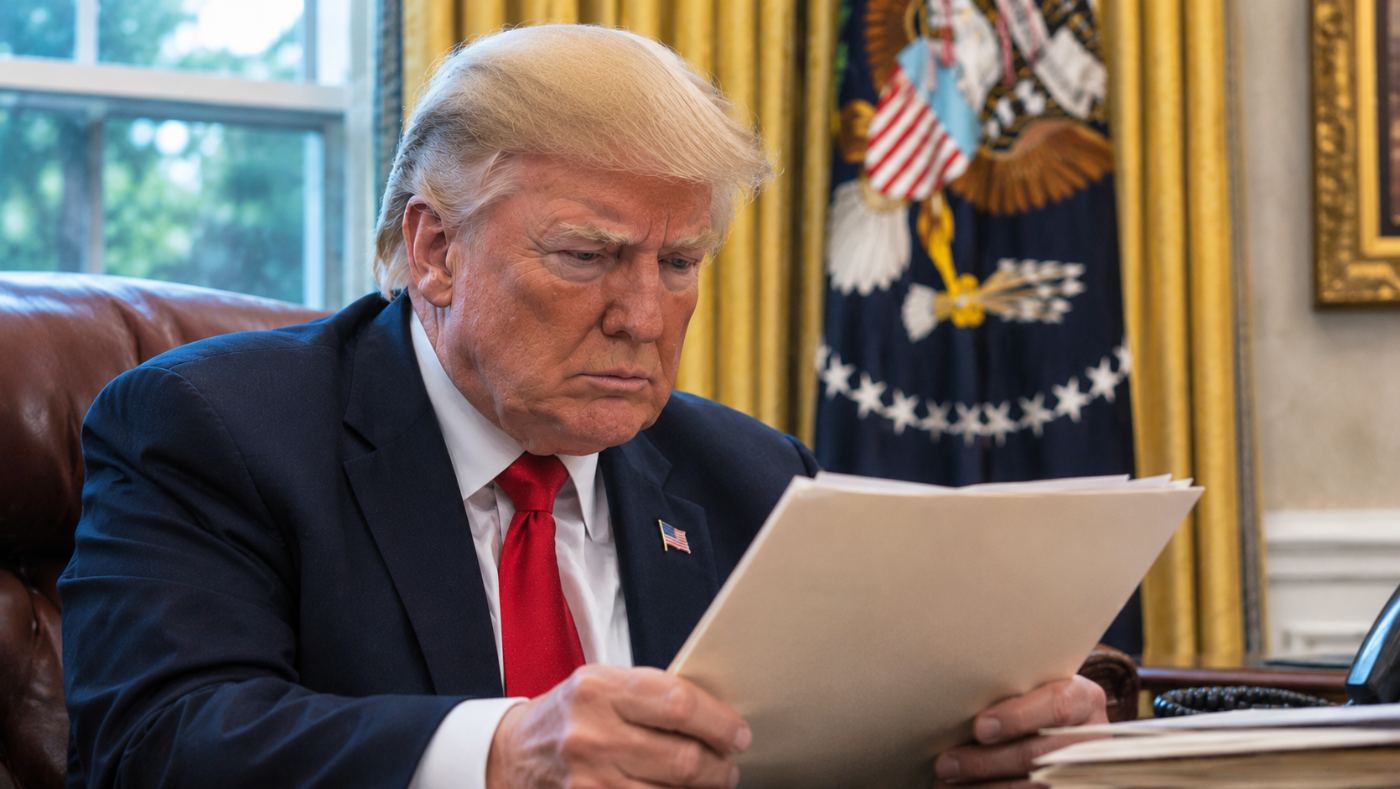
President Donald Trump launched another public attack against Special Counsel Robert Mueller on November 27, 2018, accusing the federal prosecutor of abusing the justice system just one day after investigators alleged that Trump's former campaign chairman, Paul Manafort, had repeatedly lied to federal authorities.
The president's criticism came as Mueller's investigation into Russian interference in the 2016 election continued examining individuals connected to Trump's presidential campaign.
On November 26, federal prosecutors informed a judge that Manafort had violated his cooperation agreement by providing false information to the FBI and Mueller's investigative team.
Manafort had agreed to cooperate with prosecutors in September after pleading guilty to conspiracy charges involving financial crimes and obstruction of justice. He had also been convicted of bank and tax fraud in a separate federal trial.
His cooperation agreement required him to provide truthful information about matters under investigation.
Prosecutors alleged that Manafort had failed to honor that obligation, potentially exposing him to additional legal consequences.
Manafort's attorneys disputed the accusations, maintaining that their client believed he had provided truthful information.
The following morning, Trump responded with a series of angry messages on Twitter.
He described Mueller as a "conflicted prosecutor gone rogue" and accused investigators of pressuring witnesses to lie.
Trump also claimed that Mueller was damaging the American criminal justice system and unfairly targeting people associated with his administration.
The president offered no substantiated evidence that Mueller's prosecutors were systematically coercing witnesses into providing false testimony.
His accusations reflected a recurring strategy throughout the investigation: portraying federal investigators as politically motivated adversaries rather than officials examining potential criminal conduct.
Trump repeatedly characterized Mueller's investigation as a partisan effort, despite Mueller being a registered Republican who had previously served as FBI director under presidents from both political parties.
The special counsel had been appointed in May 2017 by Deputy Attorney General Rod Rosenstein, a Trump administration appointee, following the president's dismissal of FBI Director James Comey.
By November 2018, the investigation had already produced criminal charges against numerous individuals, including several former Trump campaign associates.
The latest developments involving Manafort raised additional questions about whether prosecutors were receiving accurate information from individuals who had agreed to cooperate.
Trump's attacks also prompted renewed discussion about protecting the special counsel's investigation from political interference.
Senator Jeff Flake, a Republican from Arizona, was pushing legislation intended to protect Mueller from dismissal without sufficient cause.
Senate Majority Leader Mitch McConnell declined to bring the legislation to a vote, arguing that the president was not going to fire Mueller.
White House Press Secretary Sarah Huckabee Sanders similarly insisted that Trump had no intention of removing the special counsel.
Nevertheless, Trump's public statements demonstrated the increasingly confrontational relationship between the White House and investigators.
The investigation ultimately documented extensive Russian interference in the 2016 presidential election, including operations designed to influence American voters and the theft and publication of Democratic communications.
Mueller's final report, released in 2019, did not establish that members of Trump's campaign criminally conspired or coordinated with the Russian government in its election interference activities.
The report also examined multiple episodes involving potential obstruction of justice. Mueller declined to reach a traditional prosecutorial judgment on whether Trump had committed obstruction offenses.
Manafort's legal troubles continued after November 2018. He was eventually sentenced to federal prison for financial crimes and conspiracy offenses.
Trump commuted Manafort's remaining prison sentence in December 2020 and later granted him a presidential pardon.
The events of November 27, 2018, illustrated the conflict between a president publicly attacking an investigation and federal prosecutors pursuing allegations involving his former political associates.
While Trump accused Mueller of misconduct, the investigation continued through established judicial procedures, including court filings, plea agreements, and criminal prosecutions.
The day's confrontation remains part of the historical record of Trump's first presidency, demonstrating how a federal investigation into election interference became an ongoing dispute over presidential authority, prosecutorial independence, and accountability under the law.