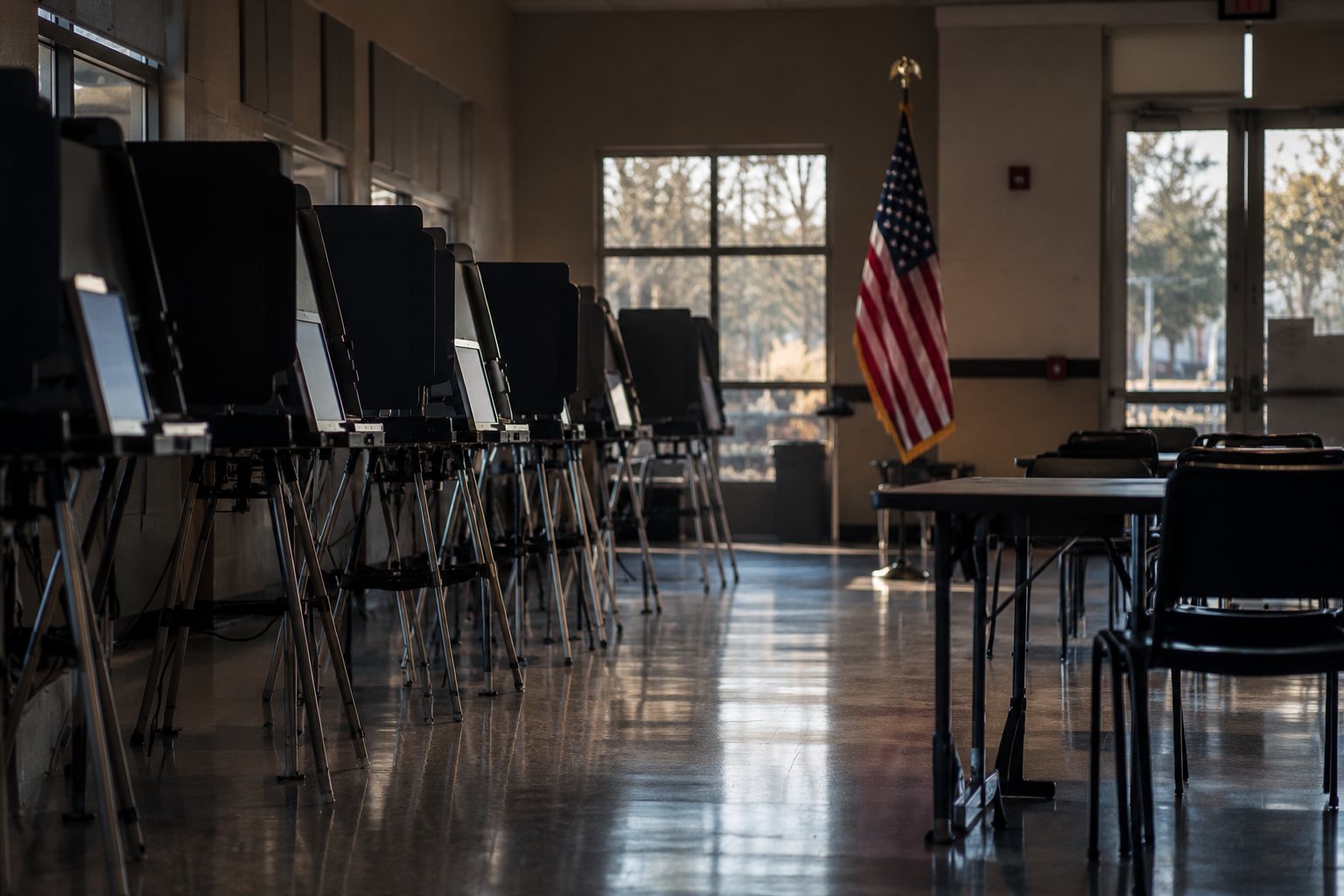
With the November midterm elections less than three weeks away, Texas is facing a lawsuit over a massive voter registration failure that left more than 500,000 applications and registration updates unprocessed, some dating back an entire year.
The League of Women Voters of Texas and MOVE Texas Civic Fund have sued the Texas Department of Public Safety and the Secretary of State's Office, alleging that the state violated a 2021 legal settlement requiring a functioning online voter registration process.
The problems originated in the Department of Public Safety's online driver's license system, where Texans can register to vote or update their registration while renewing their licenses or changing their addresses.
A software error prevented registration records from reaching county election officials. By the time the problem became public in September, hundreds of thousands of records had accumulated.
State Officials Had Months of Warning
Perhaps the most troubling aspect of the controversy is that the problems were not entirely unexpected.
Records obtained by Votebeat and The Texas Tribune revealed that state officials were aware of problems with the registration portal as early as March 2026.
Yet county election administrators were left scrambling to process an enormous backlog just weeks before the November 3 election.
Complicating matters further, Texas' separate voter registration management system, known as TEAM, has experienced persistent technical problems that election officials say make processing applications more difficult.
Texas Has Been Sued Over This Before
The lawsuit is particularly significant because Texas previously agreed to fix its online voter registration procedures.
Following years of litigation, the state reached a settlement in 2021 requiring it to maintain a reliable registration option through its driver's license portal.
The latest lawsuit alleges Texas failed to uphold that agreement.
The plaintiffs are asking a judge to order the state to maintain a functioning registration system, disclose records documenting the failures, and demonstrate compliance with the earlier settlement.
An Election Approaches, and Questions Remain
Texas officials have acknowledged the registration backlog, but important questions remain unanswered, including how many records represent new registrations, how many are updates to existing registrations, and how many eligible voters could be affected on Election Day.
There is currently no established evidence that the software failure was deliberately engineered to prevent people from voting.
Nevertheless, the scale of the problem raises serious questions about oversight, accountability, and why a state responsible for administering elections allowed registration records to accumulate for so long.
For Texans who submitted their information believing they had successfully registered, the consequences could be substantial.
The November 3 election is approaching rapidly. Whether state officials can resolve the backlog and ensure eligible voters are properly registered remains an urgent question.
Sources: The Texas Tribune and Votebeat, October 14, 2026; Texas Civil Rights Project lawsuit, filed October 9, 2026.