Donald Trump had spent three weeks challenging Pennsylvania's presidential election results, filing lawsuits, alleging widespread fraud, and attempting to prevent the state from confirming Joe Biden's victory.
On November 24, 2020, Pennsylvania officially certified the election results anyway.
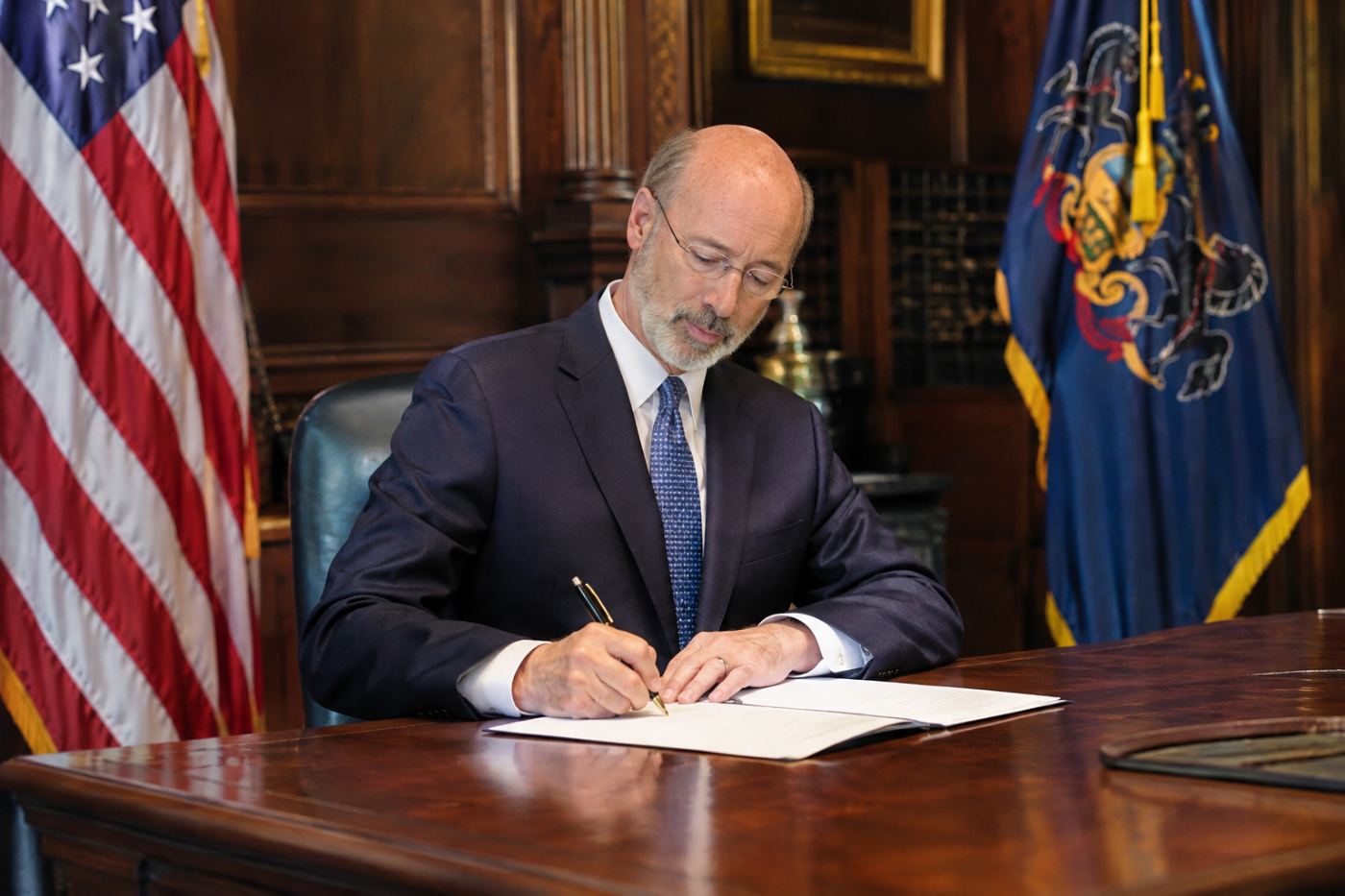
Secretary of the Commonwealth Kathy Boockvar confirmed that Biden had defeated Trump by 80,555 votes. Democratic Governor Tom Wolf then signed the Certificate of Ascertainment, formally identifying Pennsylvania's 20 presidential electors pledged to Biden and Kamala Harris.
The certification represented a significant setback for Trump's effort to overturn the election outcome in one of America's most important battleground states.
Pennsylvania Makes Biden's Victory Official
The certified results showed a clear victory for Biden:
- Joe Biden: 3,458,229 votes
- Donald Trump: 3,377,674 votes
- Biden's margin: 80,555 votes
Biden received approximately 50.01% of the vote, compared with Trump's 48.84%.
The results followed weeks of ballot counting, county-level certification, and legal challenges.
All 67 Pennsylvania counties had submitted their certified presidential vote totals by November 23.
The following morning, Boockvar formally certified the statewide results.
Wolf then signed the federally required document identifying Biden's slate of electors.
Pennsylvania's electoral votes would be formally cast on December 14.
Trump Had Tried to Stop Certification
Trump's campaign had repeatedly challenged Pennsylvania's election procedures after Election Day.
Its lawsuits raised allegations involving mail-in ballots, election observers, and differences in how counties handled ballot deficiencies.
Trump publicly claimed that widespread fraud had deprived him of victory.
But his campaign had not produced evidence establishing fraud sufficient to change Pennsylvania's election outcome.
On November 21, U.S. District Judge Matthew Brann dismissed a major Trump campaign lawsuit seeking to prevent certification.
The lawsuit challenged the handling of ballots in several Pennsylvania counties and requested extraordinary judicial intervention.
Brann concluded that the campaign had failed to establish a legal or evidentiary basis for the relief it sought.
Trump's lawyers appealed the dismissal on November 22.
The appeal remained pending when Pennsylvania certified its results two days later.
Another Court Rejects Ballot Challenges
On November 23, the Pennsylvania Supreme Court also issued decisions allowing thousands of mail-in ballots to be counted despite technical omissions on their return envelopes.
One dispute involved 8,329 Philadelphia ballots challenged by Trump's campaign.
Another concerned 2,349 Allegheny County ballots challenged by Republican state Senate candidate Nicole Ziccarelli.
The cases involved missing handwritten information, not proven fraudulent voting.
The court's decisions meant those ballots could remain in the count.
Together with the federal litigation, the rulings illustrated the difficulties Republican challengers faced in attempting to invalidate votes after the election.
Election Officials Complete Their Work
Pennsylvania's certification followed the ordinary legal process for finalizing election results, although the political circumstances were extraordinary.
County election officials had spent weeks processing ballots, reviewing returns, and completing required administrative procedures.
The COVID-19 pandemic had increased reliance on mail-in voting, creating additional logistical challenges.
Trump's repeated allegations of fraud also placed election workers under intense scrutiny.
Despite those pressures, Pennsylvania completed its statewide certification.
Wolf praised the work of local and state election officials, emphasizing their efforts to conduct an accurate election under difficult circumstances.
Boockvar similarly recognized county officials and poll workers who had worked long hours to count eligible votes.
Trump's Strategy Faces Another Obstacle
Pennsylvania's certification followed Michigan's confirmation of Biden's victory on November 23.
Georgia had also certified Biden's victory several days earlier.
These developments were significant because Trump's efforts depended in part on challenging results in states where Biden had won.
Certification did not automatically end every lawsuit or prevent additional legal challenges.
But it established the official statewide result and identified the electors chosen through Pennsylvania's election process.
For Trump, Pennsylvania's decision made the effort to reverse Biden's victory through legal and administrative challenges more difficult.
The president nevertheless continued disputing the election.
The Difference Between Allegations and Evidence
Trump's public statements repeatedly suggested that the election had been stolen.
His campaign's court filings, however, faced legal standards requiring specific claims supported by evidence.
Courts examining the challenges distinguished allegations about election procedures from proof that unlawful votes had changed the result.
The campaign had not demonstrated wrongdoing capable of overcoming Biden's 80,555-vote margin.
Pennsylvania's certification therefore proceeded despite Trump's objections.
The distinction was fundamental: a candidate's refusal to accept an election result does not itself invalidate the votes counted under state law.
Pennsylvania's 20 Electoral Votes
Pennsylvania had been one of the most closely watched states of the 2020 presidential election.
Trump carried the state in 2016 by approximately 44,000 votes.
Four years later, Biden reversed that outcome and won by more than 80,000 votes.
The state's 20 electoral votes were particularly important because Pennsylvania had helped determine the national presidential outcome.
By certifying Biden's victory, Pennsylvania formally confirmed the result that had been projected by major news organizations on November 7.
The certification was not the final Electoral College vote, but it was a crucial legal step toward that process.
November 24: The Election Result Stands
On November 24, 2020, Pennsylvania completed a process Trump had repeatedly attempted to challenge.
His campaign had filed lawsuits, questioned election procedures, and sought to prevent certification.
Yet the official results remained unchanged.
Biden had won Pennsylvania by 80,555 votes.
The state certified his victory and identified the 20 electors who would represent that result in the Electoral College.
Trump continued contesting the election, but Pennsylvania's government had fulfilled its legal responsibilities.
The significance of November 24 was not merely that another battleground state had certified its results.
It was that the certification proceeded despite extraordinary pressure surrounding the election.
Pennsylvania's voters had made their choice, election officials had completed the count, and the state formally recognized the outcome.
Trump's objections did not change the result.