Donald Trump had lost the presidential election, but nearly three weeks later, he was still fighting to change the results.
His attorneys were filing lawsuits, promoting allegations of widespread voter fraud, and challenging victories that election officials had reported for Joe Biden.
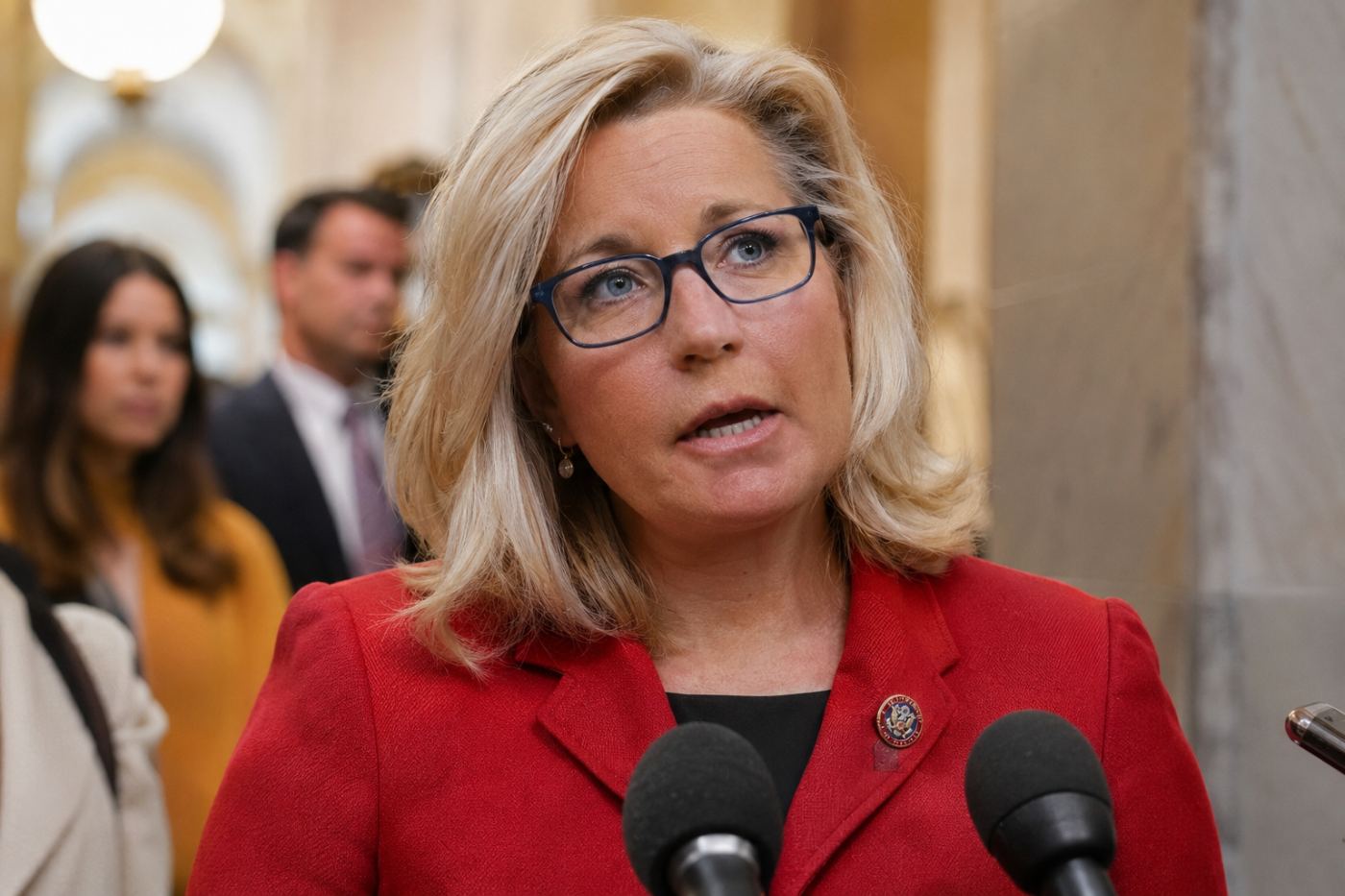
On November 21, 2020, Republican Congresswoman Liz Cheney publicly challenged the president's claims, demanding evidence and warning that he had a constitutional obligation to respect the electoral process.
The warning was especially significant because Cheney was the third-ranking Republican in the House of Representatives.
Trump Refuses to Accept Defeat
Biden had defeated Trump in the November 3 election, winning several battleground states that Trump had carried four years earlier.
Rather than concede, Trump continued claiming the election had been stolen.
His campaign pursued dozens of legal challenges while allies promoted allegations involving voting machines, mail-in ballots, and election officials.
Courts repeatedly rejected claims that lacked sufficient evidence.
Meanwhile, Trump's refusal to acknowledge Biden's victory complicated the presidential transition.
The president was also exploring ways to challenge the results through Republican-controlled state legislatures.
Cheney Demands Proof
Cheney issued a statement emphasizing that accusations of widespread election fraud required credible evidence.
She acknowledged Trump's right to challenge election results through the courts.
But she insisted that allegations alone were not enough.
If Trump's attorneys possessed genuine evidence capable of changing the election outcome, she argued, they needed to present it immediately.
If the courts rejected their claims, the proper response was to pursue lawful appeals rather than disregard the electoral process.
Cheney warned that Trump should honor his constitutional oath if he could not substantiate his accusations.
Her statement placed the responsibility directly on the president.
A Republican Challenges Her Own Party
Cheney was not a political opponent of Trump in the traditional partisan sense.
She was a conservative Republican who had supported much of his administration's agenda.
Her position also distinguished her from Republican leaders who remained publicly supportive of Trump's election challenges or avoided confronting his allegations.
House Minority Leader Kevin McCarthy and other prominent Republicans had largely declined to challenge the president directly.
Cheney's statement demonstrated that opposition to Trump's handling of the election was emerging within Republican leadership itself.
The Pennsylvania Lawsuit Collapses
The same day Cheney's warning was widely reported, federal Judge Matthew Brann dismissed a Trump campaign lawsuit seeking to prevent Pennsylvania from certifying its election results.
Biden had won Pennsylvania by more than 80,000 votes.
The lawsuit failed to establish grounds for blocking certification.
Republican Senator Pat Toomey subsequently acknowledged that Trump had exhausted his plausible legal options in Pennsylvania and congratulated Biden on his victory.
The developments underscored the growing conflict between Trump's continued efforts to reverse the results and Republican officials who believed the legal process had to be respected.
A Warning That Foreshadowed a Larger Conflict
Cheney's November 21 statement would prove to be an early chapter in a much larger confrontation.
Trump continued disputing the election through December and into January.
After the January 6, 2021, attack on the Capitol, Cheney voted to impeach him for incitement of insurrection.
She later served as vice chair of the House committee investigating January 6 and Trump's attempts to overturn the election.
Her opposition eventually cost her a position in House Republican leadership.
The Constitution or Trump's Claims
November 21, 2020, marked an important moment in the Republican Party's response to Trump's refusal to accept the election results.
Cheney did not argue that presidents should be prohibited from challenging elections.
She argued that challenges required evidence, legal procedures, and respect for judicial decisions.
Trump continued fighting the outcome despite repeated courtroom defeats.
Cheney's warning established a principle that would define her subsequent conflict with him: Allegations of election fraud did not give a president authority to disregard the constitutional process.
On November 21, 2020, that disagreement became public.