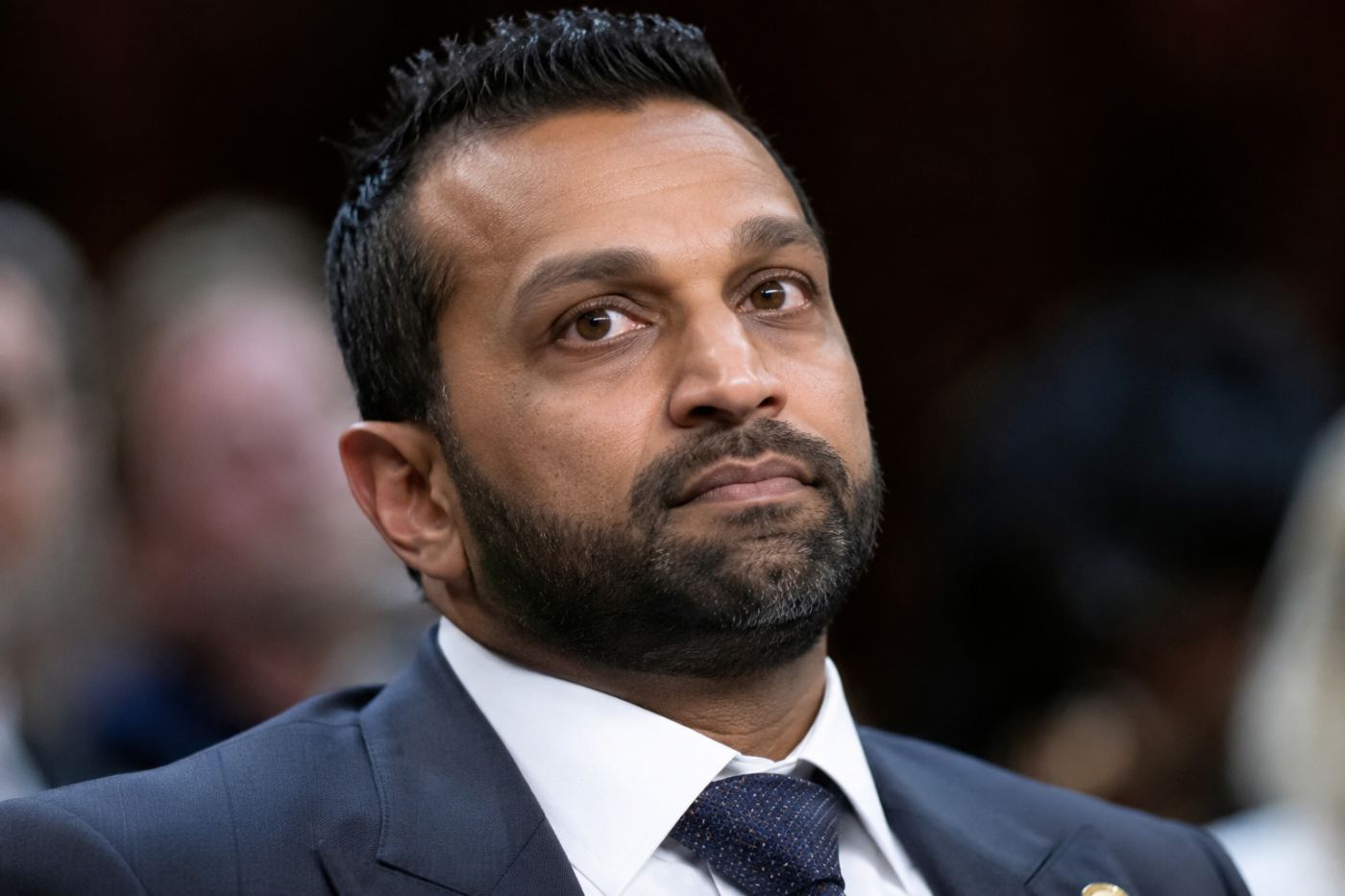
FBI Director Kash Patel went to court hoping to punish a news organization for publishing damaging allegations about his leadership.
Instead, his lawsuit may have opened the door to something he probably wasn't expecting: scrutiny of his own records inside the FBI and Justice Department.
In a November 10 ruling, U.S. District Judge Emmet Sullivan halted most evidence gathering in Patel's defamation lawsuit against The Atlantic while allowing the publication to begin requesting government records relevant to its reporting.
For a lawsuit intended to defend Patel's reputation, the development presents an uncomfortable possibility.
The Lawsuit That Started It All
Patel sued The Atlantic and journalist Sarah Fitzpatrick after an April 2026 article alleged troubling behavior by the FBI director.
The publication reported allegations of excessive drinking, frequent absences, impulsive decision-making, and concerns about his job security.
Patel categorically denied the accusations and accused the publication of deliberately spreading false information to damage his reputation.
He demanded that the magazine be held legally accountable.
But filing a defamation lawsuit against a news organization involves more than declaring that its reporting is false.
As a public official, Patel faces a demanding legal standard requiring proof that the publication knowingly published false information or acted with reckless disregard for the truth.
The Judge Pushes Back
Judge Sullivan's November 10 ruling temporarily suspended most discovery while the court considers The Atlantic's motion to dismiss the lawsuit.
The judge cited legitimate First Amendment concerns, including the possibility that broad demands for journalistic materials could expose confidential sources and interfere with the publication's reporting process.
But the court made an important exception.
The Atlantic may begin seeking relevant government records through established federal procedures.
Those requests could involve Patel's travel records, calendars, personnel decisions, and other information related to the allegations.
Sullivan rejected Patel's objections that the proposed requests were excessively broad at this preliminary stage.
A Lawsuit With Unexpected Consequences
The irony is difficult to miss.
Patel filed a lawsuit challenging the accuracy of reporting about his conduct as FBI director.
Now the publication he sued has permission to initiate requests for government documents that could help establish whether its reporting was accurate.
That doesn't mean The Atlantic will automatically receive every document it requests. The FBI and Justice Department still have procedures for reviewing and responding to those demands.
Nor has the court determined whether the original allegations were true.
But Patel's legal strategy has created the possibility of additional scrutiny of records concerning his leadership.
And that scrutiny is happening because of a lawsuit he chose to file.
A Bigger Question About Press Freedom
The Atlantic has argued that the lawsuit raises serious concerns about government officials using litigation to pressure journalists and potentially expose confidential sources.
Patel maintains that he is defending himself against defamatory reporting.
The court has not decided the merits of either side's central claims.
Nevertheless, the ruling illustrates an important principle: powerful public officials cannot automatically use defamation litigation to obtain sensitive journalistic materials without judicial scrutiny.
The Courtroom Reality
Patel's lawsuit remains active, and the judge has not yet ruled on The Atlantic's motion to dismiss.
But the November 10 decision creates a notable complication for the FBI director.
He went to court seeking to challenge a news organization's credibility.
Instead, the litigation could bring additional attention to his own conduct and management of the nation's leading federal investigative agency.
Kash Patel wanted a courtroom battle over his reputation. He may now face one that examines his own records.