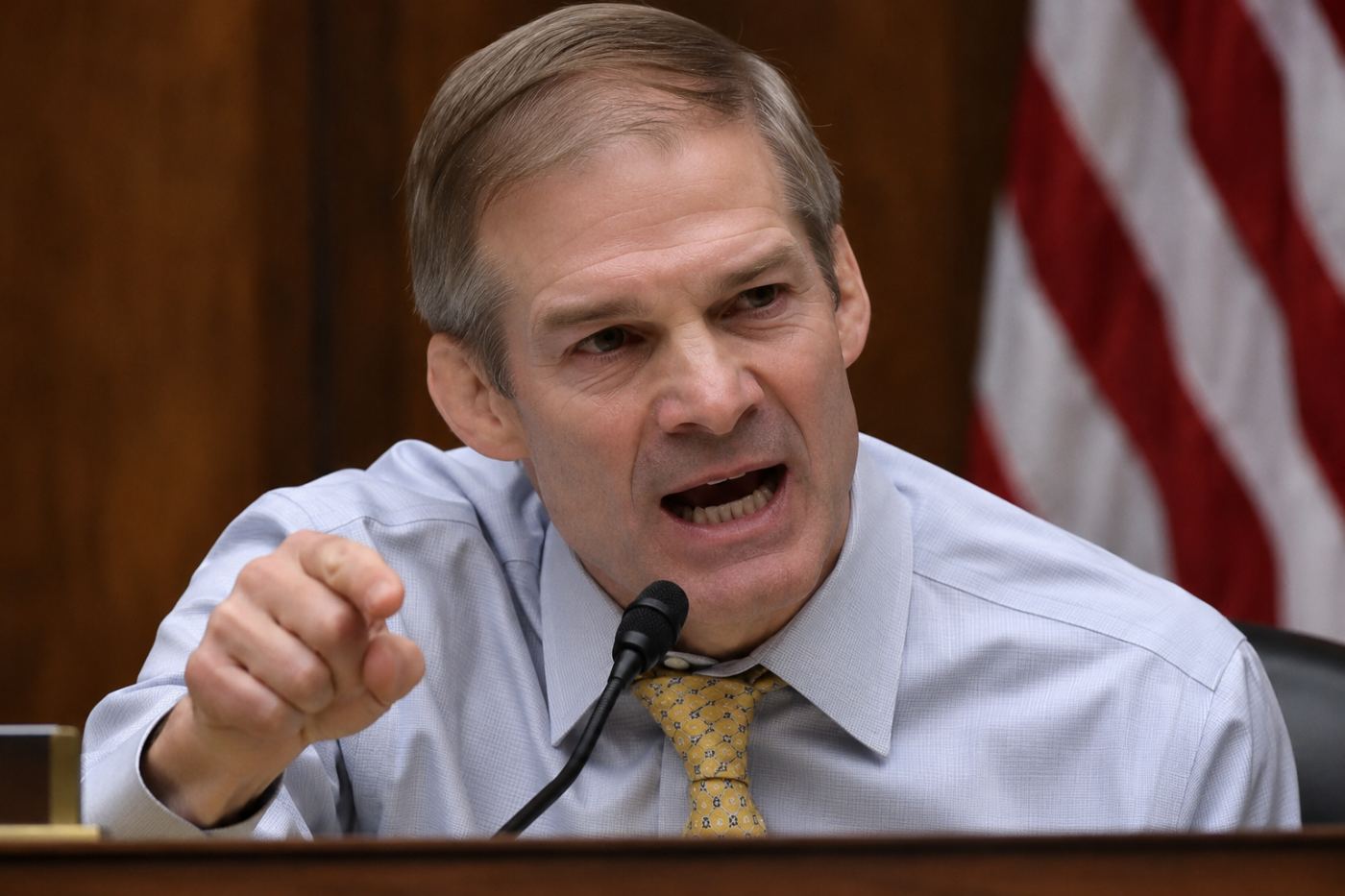
House Republicans have chosen Congressman Jim Jordan of Ohio as their next minority leader, elevating one of Donald Trump's most loyal congressional defenders following a devastating midterm election defeat.
Jordan defeated Louisiana Republican Steve Scalise in a 106–73 secret ballot on Tuesday. He will lead a substantially diminished Republican conference when Democrats take control of the House in January 2027.
The selection represents a consequential decision for a party confronting serious questions about its political future.
Rather than turning to a less confrontational figure, House Republicans have entrusted their leadership to a congressman whose career has been defined by ideological battles, aggressive investigations, and unwavering support for Trump.
A Controversial Political Record
Jordan, who has represented Ohio's 4th Congressional District since 2007, helped establish the conservative House Freedom Caucus and became one of its most recognizable figures.
His record surrounding the 2020 presidential election remains particularly controversial.
Jordan supported efforts to challenge Joe Biden's victory and voted against certifying electoral votes from Pennsylvania and Arizona following the January 6, 2021, attack on the Capitol.
The House committee investigating January 6 subsequently subpoenaed Jordan for information concerning Trump's efforts to remain in power. Jordan refused to comply, prompting the committee to refer his conduct to the House Ethics Committee.
For critics, that history raises serious questions about the decision to place Jordan at the head of the Republican conference as Congress prepares for another period of divided government.
The Ohio State Controversy
Jordan's political career has also been shadowed by allegations connected to his years as an assistant wrestling coach at Ohio State University.
Former wrestlers have alleged that Jordan knew about sexual misconduct by university physician Richard Strauss and failed to intervene.
Jordan has repeatedly denied knowing about the abuse, and the allegations against him have not resulted in criminal charges.
Nevertheless, the controversy remains an important part of his public record.
Preparing to Defend Trump
Jordan's campaign for Republican leader emphasized his experience conducting congressional investigations and his ability to respond to anticipated Democratic oversight of the Trump administration.
In a November 4 letter to Republican colleagues, Jordan warned that Democrats would investigate the administration and argued that Republicans needed an aggressive strategy to counter the new majority.
His supporters regard that confrontational approach as an asset. They believe Jordan's experience on the Judiciary Committee will help Republicans challenge Democratic policies, maintain party unity, and rebuild their congressional numbers.
Critics see a different concern: that the Republican conference could devote much of its energy to defending Trump rather than negotiating legislation or addressing the political dissatisfaction reflected in the midterm results.
A Party Facing a Defining Choice
Jordan previously sought the House speakership in October 2023 but failed to secure enough Republican votes after three rounds of balloting. His selection as minority leader three years later demonstrates how his standing within the conference has changed.
The larger question is what Republicans intend to do with their time in the minority.
The party faces the task of rebuilding after substantial electoral losses while preparing for Democratic investigations, legislative disputes, and the final two years of Trump's presidency.
Jordan has promised an aggressive opposition strategy. Whether that approach helps Republicans regain public confidence or deepens the divisions that have characterized recent congressional battles remains to be seen.
His elevation ensures that the controversies surrounding the 2020 election, January 6, and congressional accountability will remain central to the debate over Republican leadership.
For a party seeking a new direction after losing control of the House, choosing one of Trump's most steadfast defenders sends a clear message about the direction its members have chosen.