President Donald Trump moved another step closer to becoming the third president in American history to be impeached when the House Judiciary Committee announced on November 26, 2019, that it would begin formal hearings examining the constitutional grounds for removing a president from office.
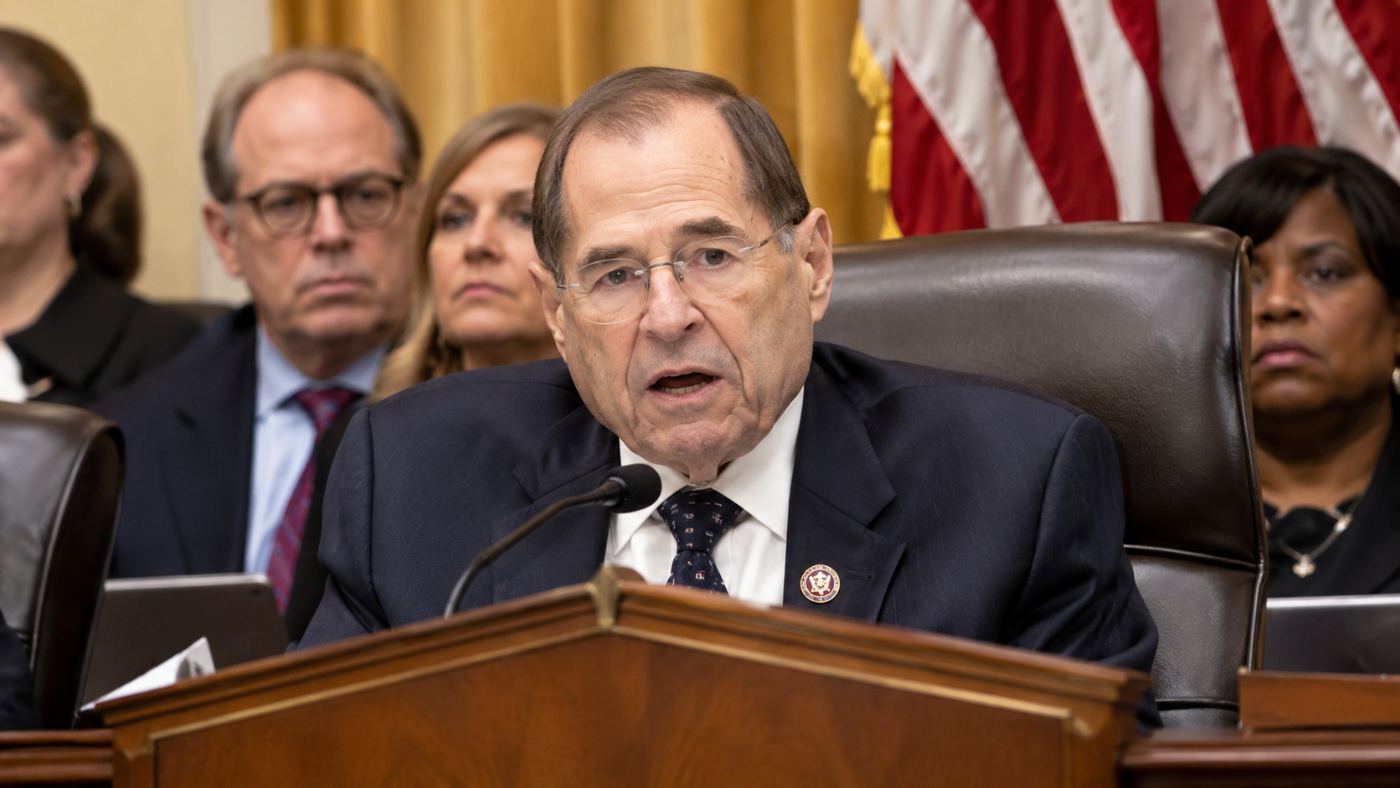
Committee Chairman Jerry Nadler scheduled the hearing for December 4 and formally invited Trump and his attorneys to participate, directly challenging the president's repeated complaints that Democrats were denying him a fair opportunity to defend himself.
The announcement marked a significant escalation in the impeachment investigation, which centered on allegations that Trump had abused his presidential authority by pressuring Ukraine to investigate political rival Joe Biden and his son Hunter.
At the center of the controversy was a July 25 telephone conversation between Trump and Ukrainian President Volodymyr Zelensky. During that call, Trump requested investigations involving the Bidens while his administration was withholding nearly $400 million in congressionally approved military assistance to Ukraine.
House investigators examined whether Trump had used American foreign policy and taxpayer-funded military assistance to obtain a personal political advantage ahead of the 2020 presidential election.
Weeks of testimony before the House Intelligence Committee had produced evidence concerning the administration's dealings with Ukraine, including testimony from diplomats and national security officials who expressed concerns about the pressure campaign.
With that investigative phase nearing completion, the Judiciary Committee was preparing to determine whether the evidence justified formal articles of impeachment.
Nadler's November 26 announcement established the next phase of that process.
The December 4 hearing would examine the constitutional definition of impeachable conduct, the historical precedents for impeachment, and Congress's authority to hold a president accountable.
Trump was offered the opportunity to attend or send legal counsel, whose participation could include questioning witnesses under the committee's procedures.
The invitation carried particular significance because Trump and his Republican allies had repeatedly characterized the impeachment proceedings as unfair and politically motivated.
Nadler responded by emphasizing that the president now had an opportunity to participate in the process.
The White House ultimately declined to attend the December 4 hearing. White House Counsel Pat Cipollone argued that the proceedings were unfair, criticized the limited preparation time, and questioned the hearing's purpose.
The Judiciary Committee proceeded without Trump's legal team.
On December 18, 2019, the House of Representatives voted to impeach Trump on two articles: abuse of power and obstruction of Congress.
The abuse-of-power charge concerned Trump's efforts to obtain politically beneficial investigations from Ukraine. The obstruction charge addressed the administration's refusal to comply with congressional subpoenas during the impeachment investigation.
Trump became the third American president formally impeached by the House, following Andrew Johnson in 1868 and Bill Clinton in 1998.
The Republican-controlled Senate subsequently acquitted Trump on February 5, 2020, allowing him to remain in office.
The November 26 announcement remains an important moment in the history of Trump's presidency. It demonstrated that the investigation had advanced beyond gathering evidence and into the constitutional process of determining whether a president's conduct warranted impeachment.
It also established a significant contradiction in the administration's defense: Trump repeatedly complained about being excluded from the proceedings, yet his legal team declined the opportunity to participate in the Judiciary Committee's opening hearing.
The events of November 26, 2019, helped set the stage for a historic confrontation between Congress and the White House over presidential accountability, congressional oversight, and the limits of executive power.