Donald Trump had spent years questioning the intelligence community's findings about Russian interference in the 2016 presidential election. By 2019, he was promoting another theory: that Ukraine, rather than Russia, was responsible for interfering in the election.
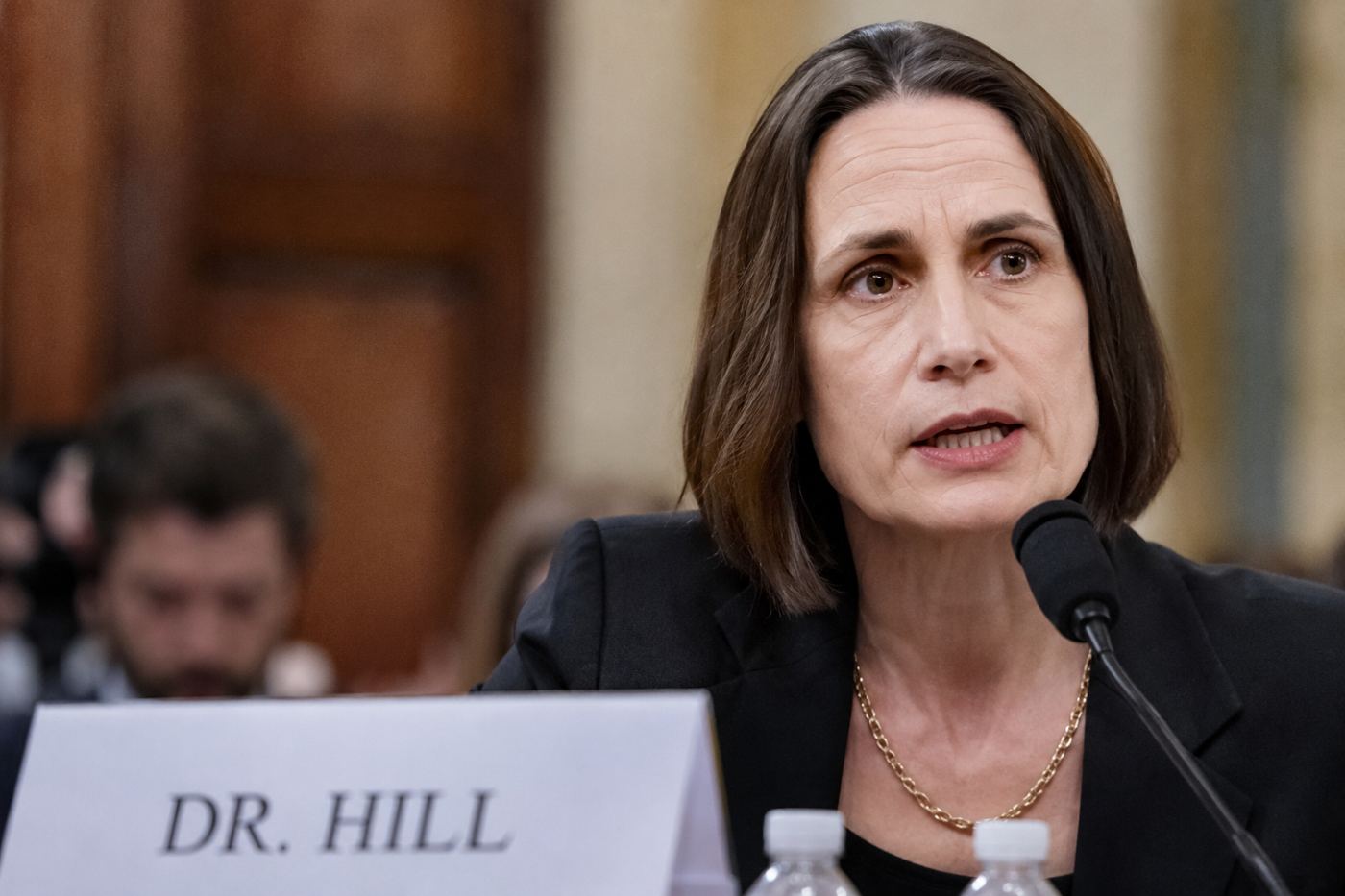
On November 21, 2019, one of Trump's own former national security advisers appeared before Congress and directly challenged that narrative.
Fiona Hill, the White House's former top Russia expert, testified during the House impeachment inquiry and warned that the conspiracy theory echoed disinformation promoted by Russian intelligence services.
Her message was unmistakable: American political leaders were helping spread a narrative that benefited Vladimir Putin.
Trump's Ukraine Conspiracy Meets Reality
The controversy centered on Trump's insistence that Ukraine investigate supposed interference in the 2016 election.
During his July 25 telephone conversation with Ukrainian President Volodymyr Zelensky, Trump raised allegations involving the cybersecurity company CrowdStrike and a supposedly missing Democratic computer server.
The claims were central to a conspiracy theory suggesting that Ukraine had been responsible for election interference attributed to Russia.
But American intelligence agencies had already concluded that Russia conducted a coordinated campaign to interfere in the election.
A bipartisan Senate Intelligence Committee investigation also supported the conclusion that Russia had interfered.
Hill told lawmakers that blaming Ukraine instead was a fictional account promoted by Russian security services.
A Warning From Inside Trump's White House
Hill was not a Democratic campaign operative.
She was a respected national security specialist who had served in Trump's administration from 2017 until 2019.
Her expertise included Russia, Eastern Europe, and the political strategies of Vladimir Putin.
During her testimony, Hill warned that repeating the Ukraine conspiracy undermined American intelligence findings and damaged relations with an important U.S. ally.
She explained that Russia benefited when Americans questioned their own institutions and turned against one another.
Hill also warned that Russian operatives were preparing to interfere in the 2020 presidential election.
The danger, she argued, was not confined to the past.
Trump Had Been Warned
One of the most significant moments came when congressional investigators questioned Hill about Trump's knowledge of the conspiracy theory.
Hill confirmed that senior advisers had informed Trump that the allegations about Ukrainian responsibility for the 2016 election were false.
Asked whether Trump appeared to have disregarded those warnings in favor of Rudy Giuliani's claims, Hill agreed that this appeared to be the case.
Her testimony raised serious questions about why the president continued promoting allegations that his own national security officials had rejected.
Hill was careful not to claim that Trump had deliberately adopted Russian disinformation on Moscow's behalf.
She explained that similar narratives had developed in Russia and the United States before becoming intertwined.
Nevertheless, the result benefited Russian interests.
Republicans Face an Uncomfortable Warning
Hill's testimony also challenged Republican lawmakers who continued suggesting Ukraine had played the central role in the 2016 interference campaign.
She distinguished isolated political statements by Ukrainian individuals from Russia's systematic intelligence operation.
Those were not equivalent activities.
The Russian campaign involved hacking, stolen information, and coordinated efforts to influence American voters.
Hill warned that treating the two as comparable obscured the actual threat.
When Political Conspiracy Theories Serve Foreign Interests
The November 21 hearing became a defining moment in Trump's first impeachment investigation.
A former White House national security official had publicly rejected a conspiracy theory promoted by the president and warned that its spread advanced Russian objectives.
Her testimony exposed the conflict between established intelligence findings and political narratives circulating around the White House.
Trump continued denying wrongdoing in the Ukraine affair, and the Senate ultimately acquitted him following his impeachment.
But Hill's warning remained part of the congressional record.
On November 21, 2019, she reminded lawmakers that Russia had interfered in America's election—and that denying the evidence could help the same adversary undermine American democracy again.