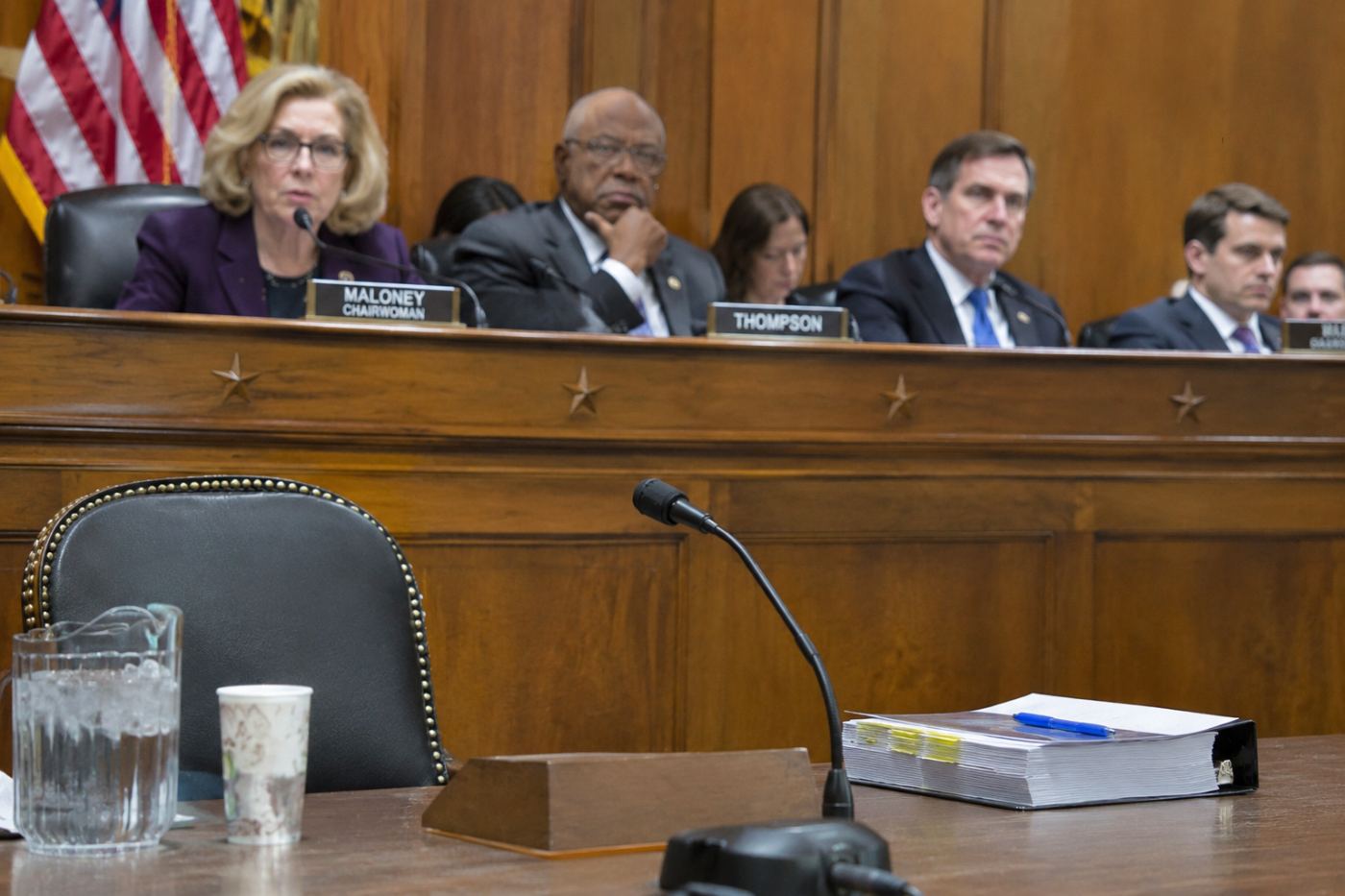
Donald Trump had lost the presidential election, but his administration was still refusing to begin the formal transfer of power. Now, congressional leaders wanted answers.
On November 23, 2020, senior House Democrats demanded that General Services Administration Administrator Emily Murphy explain why her agency had delayed recognizing Joe Biden as the apparent winner of the election.
Rather than appear before lawmakers as requested, Murphy's office proposed sending her deputy to brief congressional leaders a week later.
The response infuriated lawmakers who warned that the delay was interfering with preparations for the COVID-19 pandemic, the struggling economy, and national security threats.
With the country facing multiple crises, Congress was demanding accountability for an administrative decision that had become entangled in Trump's refusal to accept defeat.
Sixteen Days After Biden's Victory
Major news organizations projected Biden as the winner on November 7, 2020.
Under the Presidential Transition Act, the General Services Administration provides resources to the apparent successful presidential candidate to help prepare for taking office.
Those resources include government office space, funding, communications systems, and access to federal agencies.
But Murphy, a Trump appointee, had declined to issue the formal determination known as ascertainment.
Without that authorization, Biden's transition team could not receive the full range of government assistance normally available to an incoming administration.
Meanwhile, Trump continued making unsupported allegations that widespread election fraud had cost him the presidency.
His campaign pursued lawsuits in several states, but had not established fraud sufficient to overturn the results.
Congress Wants Murphy to Explain Herself
Four senior House Democrats had already demanded an urgent briefing from Murphy.
They included House Oversight Committee Chairwoman Carolyn Maloney, House Appropriations Committee Chairwoman Nita Lowey, and subcommittee chairmen Gerry Connolly and Mike Quigley.
The lawmakers wanted to understand why Murphy was withholding transition resources and what legal justification supported her decision.
They had requested a briefing by November 23 and warned that Murphy and other senior GSA officials could be called to testify publicly.
The congressional leaders argued that the delay was having serious consequences for government operations.
Their concerns extended well beyond the political dispute between Trump and Biden.
They wanted to know why the federal government was withholding resources intended to ensure continuity between presidential administrations.
The GSA Offers a Briefing — A Week Later
On November 23, Murphy's office responded.
But instead of agreeing to the requested briefing, the agency proposed that Deputy Administrator Allison Brigati brief congressional leaders on November 30.
That was another full week away.
According to the lawmakers' subsequent letter, GSA staff also raised difficulties arranging videoconferencing during the Thanksgiving week.
The explanation did little to satisfy congressional leaders.
They responded that they were willing to arrange the meeting themselves using common videoconferencing platforms or a telephone conference call.
They offered several possible meeting times for November 24.
The lawmakers insisted that the matter was too urgent to postpone another week.
A Pandemic Was Raging Across America
The timing made the dispute particularly consequential.
By November 23, more than 250,000 Americans had died from COVID-19.
Infections were increasing rapidly, hospitals were facing growing pressure, and federal officials were preparing for the distribution of coronavirus vaccines.
Biden's incoming administration needed access to federal health officials and information about vaccine distribution, emergency planning, and ongoing pandemic operations.
Congressional Democrats warned that delaying the transition could complicate those preparations.
The incoming administration would assume responsibility for the federal pandemic response on January 20, regardless of whether Trump acknowledged his defeat.
Every day without formal coordination reduced the time available for preparation.
National Security Concerns Add to the Pressure
The transition delay also raised concerns about national security.
Incoming presidents and their senior advisers ordinarily receive classified briefings and access to experienced government personnel before taking office.
Those preparations help ensure continuity in intelligence operations, military affairs, and responses to international threats.
House Intelligence Committee Chairman Adam Schiff and Homeland Security Committee Chairman Bennie Thompson were among the lawmakers raising concerns about the delayed transition.
Senator Mark Warner, vice chairman of the Senate Intelligence Committee, separately warned Murphy on November 23 that the delay could harm national security preparations.
The congressional oversight dispute therefore involved more than government paperwork.
Lawmakers were questioning whether an outgoing administration's refusal to begin a transition could interfere with essential government responsibilities.
Murphy Maintains She Acted Independently
Murphy defended her handling of the transition process.
She maintained that her decisions were based on her interpretation of the Presidential Transition Act and the circumstances surrounding the disputed election.
She later stated that she had not been pressured by White House officials to delay her determination.
That distinction is important.
Although Trump's refusal to concede created the political environment surrounding the delay, the available evidence does not establish that he personally ordered Murphy to withhold transition resources.
Nevertheless, congressional Democrats argued that the delay was unnecessary and demanded an explanation from the official responsible.
Congress Refuses to Accept Another Delay
The November 23 confrontation highlighted Congress's oversight responsibilities.
Federal agencies are accountable to Congress for their administration of laws and public resources.
Lawmakers can request information, conduct investigations, and summon officials to explain government decisions.
Maloney, Lowey, Connolly, and Quigley were exercising that authority by demanding answers about the GSA's refusal to authorize the transition.
Their frustration centered on the agency's proposed timetable.
Congress had requested an urgent explanation.
The GSA had offered a briefing the following week.
The lawmakers insisted that waiting was unacceptable.
The Transition Finally Moves Forward
Later that same day, Murphy issued the formal ascertainment letter allowing Biden's transition to begin.
The decision came after mounting congressional pressure, legal developments, and additional state election certifications.
Trump publicly supported allowing the initial transition procedures to proceed while continuing to dispute the election results.
The authorization resolved the immediate administrative obstacle, but it did not erase the controversy surrounding the delay.
Nor did it answer every question lawmakers had raised about how the GSA handled the process.
A Routine Government Function Becomes a Congressional Confrontation
November 23, 2020, demonstrated how an administrative responsibility could become a major congressional oversight dispute during a contested presidential transition.
House leaders demanded answers from a Trump-appointed agency administrator.
The agency initially offered a briefing a week later, conducted by her deputy.
Congressional Democrats rejected that timetable and pressed for immediate accountability.
By the end of the day, the formal transition was finally authorized.
The episode left an important question for future presidential elections: Should an incoming administration's access to essential transition resources depend so heavily on the judgment of a single political appointee?
The November 23 confrontation showed why lawmakers considered that question urgent.
The transfer of presidential power was not merely a political courtesy. It was an essential government function, and Congress wanted to know why it had been delayed.