President Donald Trump's decision to promote anti-Muslim propaganda from a British far-right organization escalated into a diplomatic confrontation on November 30, 2017, as British Prime Minister Theresa May publicly rebuked the American president, Britain's ambassador raised formal concerns with the White House, and lawmakers questioned whether Trump should be welcomed for an official state visit.
The controversy created an unusually public disagreement between the leaders of two of America's closest allies.
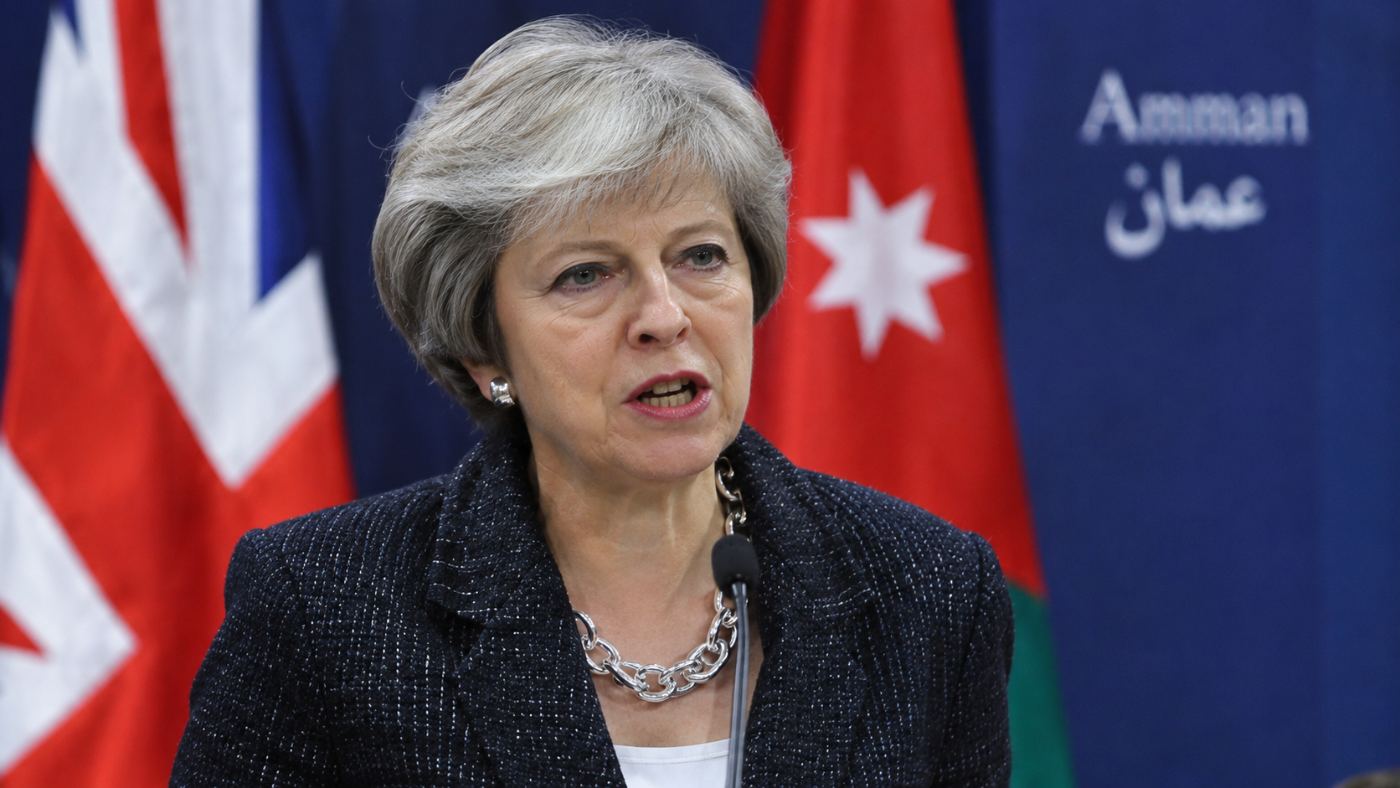
Speaking to reporters in Amman, Jordan, May personally reaffirmed her government's criticism of Trump, declaring that his decision to share videos from the extremist organization Britain First had been wrong.
May described Britain First as a hateful organization that promoted division and mistrust within British communities.
Her remarks came one day after Trump shared three inflammatory videos posted by Jayda Fransen, the organization's deputy leader.
One of the videos falsely identified an attacker in the Netherlands as a Muslim migrant, despite Dutch authorities confirming that the individual was not an immigrant.
The original social media controversy occurred November 29. By November 30, however, the dispute had developed into a broader diplomatic problem involving the British government, Parliament, and the future of Trump's planned visit to the United Kingdom.
Rather than apologize for circulating the videos, Trump had responded to criticism from Downing Street by publicly attacking May.
He told the British prime minister to concentrate on terrorism in her own country instead of criticizing him.
In an additional embarrassment, Trump's initial response was directed at the wrong Twitter account. He subsequently deleted the message and reposted it using May's correct account.
The exchange drew widespread attention in Britain, where politicians from across the political spectrum questioned the American president's conduct.
May, however, attempted to balance her criticism with the need to preserve diplomatic cooperation.
During her November 30 appearance, she emphasized that Britain and the United States maintained a longstanding relationship involving defense, intelligence sharing, trade, and international security.
She argued that cooperation between the two governments did not prevent Britain from publicly disagreeing with Washington.
The prime minister also defended Britain's Muslim communities, stressing that the overwhelming majority of British Muslims were peaceful, law-abiding citizens.
Her remarks directly challenged the broad anti-Muslim implications of the material Trump had circulated.
Meanwhile, the diplomatic dispute had already reached the White House.
Britain's ambassador to Washington, Sir Kim Darroch, confirmed on November 30 that he had personally raised concerns with American officials the previous day.
Darroch emphasized that British society rejected the prejudiced rhetoric of far-right organizations and defended the values of tolerance and mutual respect.
The intervention was significant because it elevated the controversy beyond political commentary.
Britain's senior diplomatic representative in Washington had formally communicated his government's objections to the American president's actions.
The United States ambassador to Britain, Woody Johnson, also acknowledged receiving public concerns about Trump's statements and said he had conveyed them to Washington.
The controversy soon reached the floor of the British Parliament.
Lawmakers held an urgent debate on Trump's promotion of the videos, with members of several political parties condemning his actions.
Home Secretary Amber Rudd reiterated the government's position that Trump had been wrong to share material from Britain First.
However, she also urged lawmakers to consider the importance of Britain's relationship with the United States, particularly intelligence cooperation that helped protect British citizens from terrorism.
Other members of Parliament were less willing to separate the diplomatic relationship from the president's conduct.
Several called for Trump's planned state visit to be canceled.
The invitation had been extended earlier in 2017, when May became the first foreign leader to visit Trump at the White House following his inauguration.
The prospect of Trump receiving the ceremonial honors associated with a state visit, including an audience with Queen Elizabeth II, had already generated controversy in Britain.
The November 30 dispute intensified those objections.
London Mayor Sadiq Khan argued that an official visit by Trump would be unwelcome under the circumstances.
Some lawmakers went further, suggesting that the government should reconsider whether Trump should be permitted to enter Britain at all.
Conservative justice minister Sam Gyimah publicly expressed discomfort with the proposed state visit, warning that Trump's rhetoric was divisive.
The criticism was not limited to Trump's traditional political opponents.
Nigel Farage, the former UK Independence Party leader who had been one of Trump's most prominent British supporters, also criticized the president's decision to share the videos.
Farage described the material as being in poor taste and questioned Trump's judgment.
Nevertheless, the British government stopped short of withdrawing the state visit invitation.
May confirmed that the invitation had been extended and accepted, although no date had been established.
Her government maintained that Britain's national interests required continued cooperation with Washington despite the disagreement.
The controversy demonstrated the difficult position facing an American ally attempting to preserve close relations with a president whose public statements repeatedly generated international disputes.
Trump's defenders argued that he was drawing attention to the threat of Islamist extremism, a legitimate security concern shared by both governments.
But British officials rejected the suggestion that addressing terrorism justified promoting misleading material from an extremist organization.
The disagreement concerned not whether terrorism existed, but whether the president of the United States should amplify inflammatory propaganda without verifying its accuracy.
The episode also highlighted the diplomatic consequences of presidential social media activity.
A series of retweets had triggered criticism from a foreign prime minister, formal diplomatic objections, parliamentary debate, and renewed questions about a presidential state visit.
By November 30, the controversy had become a test of the relationship between Washington and London.
May publicly defended British values while attempting to preserve cooperation with the United States.
Trump, meanwhile, had offered no apology and continued to defend his broader concerns about terrorism.
The dispute did not permanently rupture the relationship between the two countries. Trump eventually made a working visit to Britain in July 2018 and a formal state visit in June 2019.
But the events of November 30, 2017, demonstrated how presidential rhetoric could create unnecessary diplomatic friction even with America's closest allies.
The day's developments also showed that criticism of Trump's conduct extended beyond American political divisions.
British Conservatives, opposition lawmakers, diplomats, and even some of Trump's political supporters objected to his decision to promote material associated with a far-right organization.
What began as three social media posts had become an international controversy involving two allied governments.
For the historical record, November 30 marked the day Britain's prime minister personally reaffirmed her condemnation, diplomats confirmed formal objections, and Parliament openly questioned whether the American president deserved the ceremonial welcome traditionally extended to a visiting head of state.